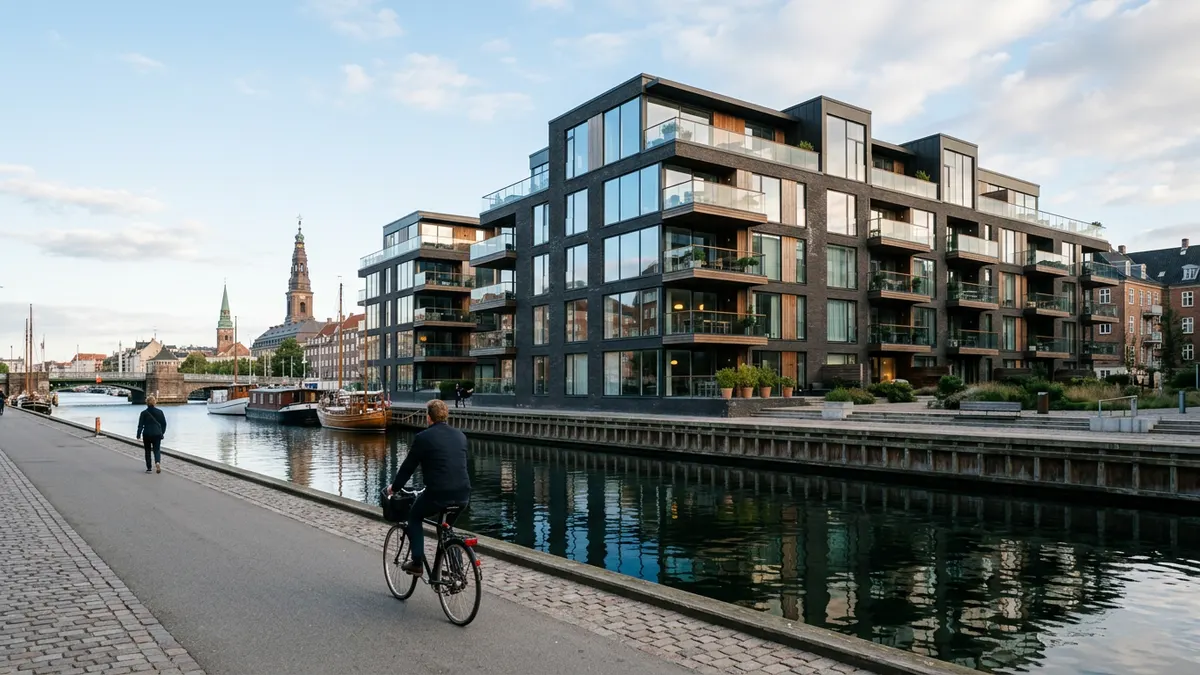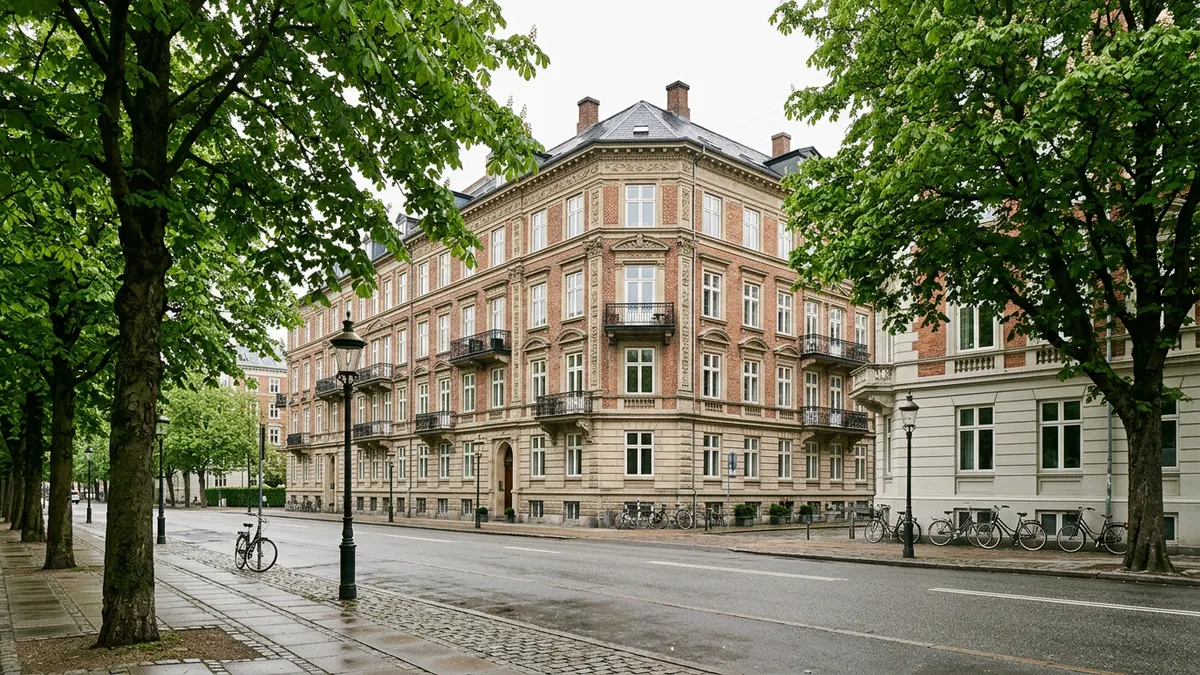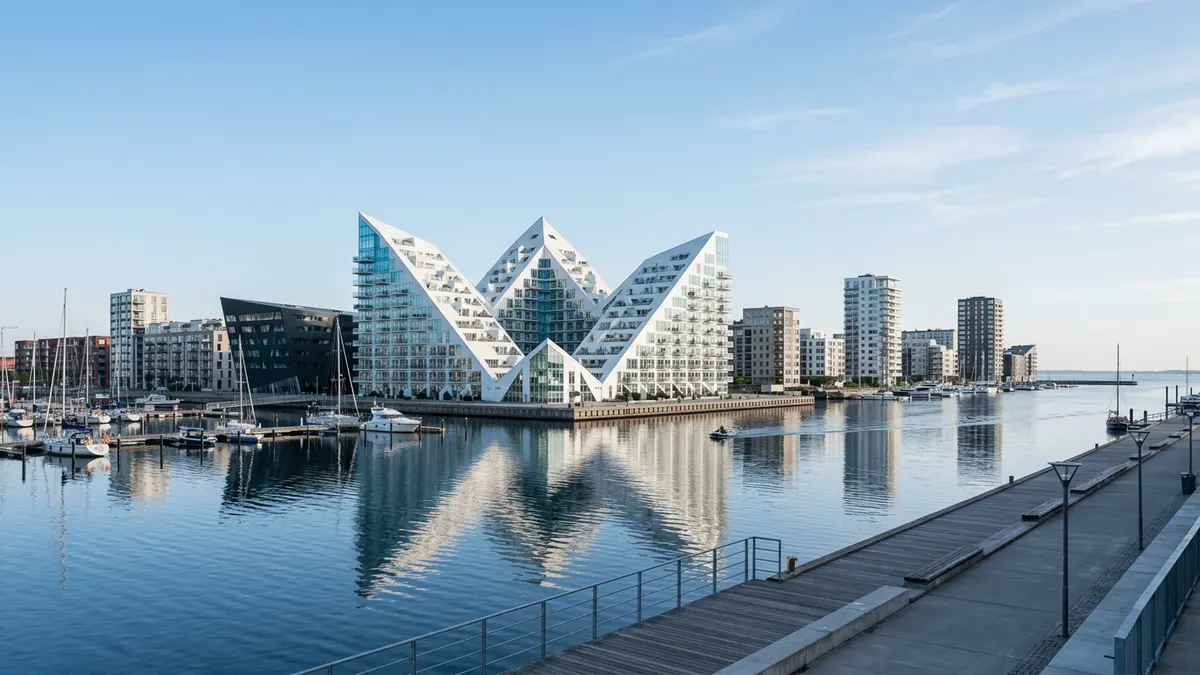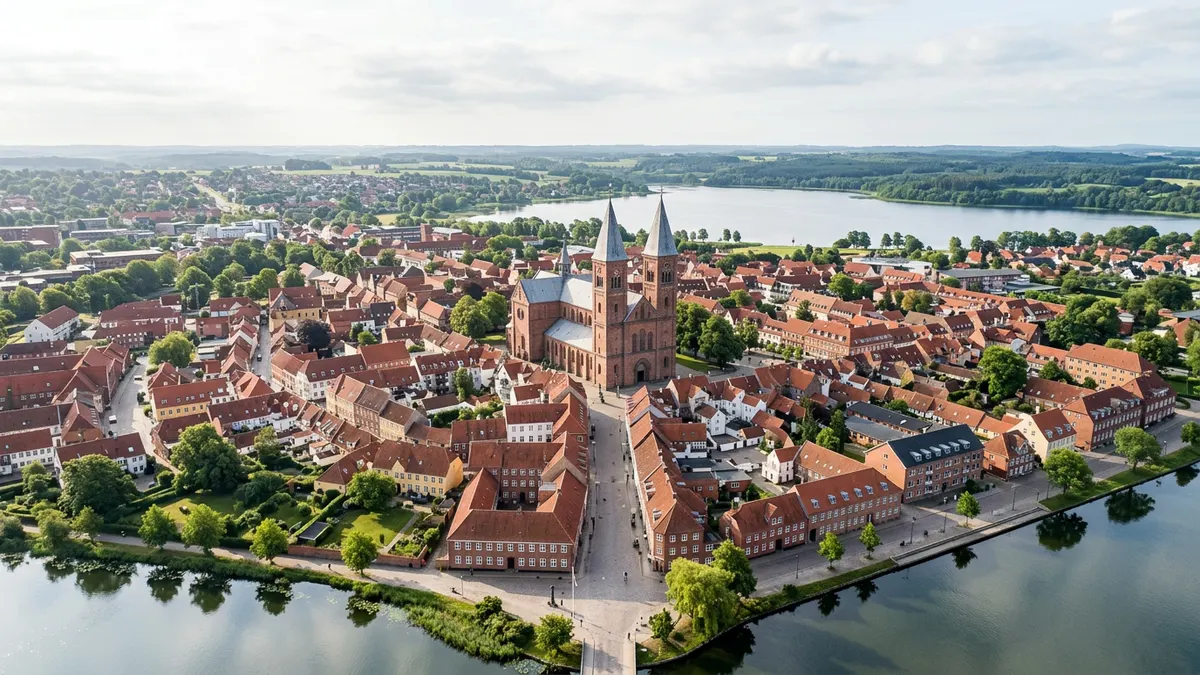
Viborg represents an attractive balance between historical stability and modern urban development, making an investment property in Viborg a solid choice for long-term investors. With its central location in Central Jutland, a strong educational environment, and ongoing urban expansions such as Banebyen, the area offers a predictable rental market with low vacancy risk compared to larger growth cities.
The Central Jutland market and Viborg's role
Viborg is one of Denmark's oldest cities, but today it functions as a modern administrative and commercial hub in the Central Denmark Region. For investors seeking stability without the extreme price volatility experienced in Aarhus or Copenhagen, Viborg has long been an overlooked gem. The city's geography places it centrally between major growth centres such as Herning, Randers, and Silkeborg, creating a natural synergy in the region.
When considering an investment property in Viborg, one looks at a municipality actively working to retain and attract labour. This is achieved through investments in infrastructure and urban renewal. Historically, Viborg has enjoyed very stable population growth, which is one of the most important factors for ensuring a stable cash flow model in property investment. While other cities may be characterised by speculative construction, Viborg's growth is often driven by a genuine need for both residential and commercial square metres.
Geographical location and infrastructure
Viborg's location is strategically important for logistics and commuting. The main roads A13 and A26 intersect here, connecting the city to Aalborg in the north and Vejle/Kolding to the south, as well as Skive and Holstebro to the west. Although Viborg is not located directly on the motorway, planned and ongoing road improvements have made it easier to operate commercially from the city. For an investor, this means that commercial properties on the outskirts of the city are often attractive to companies servicing all of Central and Northern Jutland.
The potential of an investment property in Viborg
Investing in bricks and mortar in Viborg is largely about risk management. The yield requirements in Viborg are typically slightly higher than in the largest university cities, allowing for better ongoing operational margins. The market is characterised by a high proportion of private landlords and professional property companies who value the city's ability to retain tenants over longer periods.
Residential rental characteristics
Within residential rentals, we see a trend where demand for smaller apartments in the city centre is constant, driven by students at the many educational institutions, including VIA University College. At the same time, there is an increasing demand for modern terraced houses and family homes in near-city areas such as Houlkær and Overlund. For an investor in an investment property in Viborg, this means there are several segments to target:
- Student housing: Smaller units close to education hubs and the railway station.
- Family housing: Larger apartments or terraced houses focusing on safe surroundings.
- Senior housing: A growing market in line with demographic trends in Denmark.
Business climate and vacancy rates
Viborg is home to major public sector workplaces, including the Regional Hospital and the Court of Viborg (Retten i Viborg), ensuring a stable base of high-income tenants. A strong public sector presence creates a knock-on effect for the private sector, which requires office and retail space. Vacancy rates in Viborg have historically been controlled because the supply of new projects has often followed demand closely, rather than anticipating it excessively.
Urban development: Banebyen as a growth engine
One of the most prominent projects in Viborg's recent history is the development of Banebyen. This area, previously dominated by industry and railway sites, is now being transformed into an integrated part of the city centre focusing on housing, business, and education. For investors, this is an area of particular interest as it shifts the city's centre of gravity and creates modern facilities that can attract tenants who might otherwise have sought new-builds in Aarhus.
Banebyen is an example of how Viborg manages to renew itself without losing its historical identity. The project also includes improved infrastructure for non-motorised traffic, increasing the value of surrounding properties. When evaluating an investment property in Viborg, one should always investigate the local plans (lokalplaner) for Banebyen, as these can significantly influence future rent levels and property values in the area.
Legislation and framework for investors
When investing in Danish property, it is crucial to understand the legal framework. In Viborg, as in the rest of the country, the Rent Act (lejeloven) and the Housing Regulation Act (boligreguleringsloven) are the primary management tools. It is important to distinguish between properties built before and after 1991, as the rules for setting rent vary significantly.
- Cost-based rent (omkostningsbestemt leje): Typically applies to older properties and requires a thorough calculation of operating costs.
- Value of the rented premises (det lejedes værdi): Another calculation method often used in areas without full regulation.
- Market rent (fri fastsættelse): Typical for new builds (post-1991), giving the investor more flexibility.
We always recommend seeking professional advice from legal experts or administrators familiar with local conditions in Viborg Municipality, as the interpretation of rules can have a major impact on total returns. One should also consult the Ministry of Justice and SKAT (Danish Tax Agency) websites for the latest rates and rules regarding property taxation and leasing.
Table: Comparison of investment factors in Central Jutland (Estimated)
| Factor | Viborg | Aarhus | Silkeborg | Herning |
|---|---|---|---|---|
| Yield level | Medium/High | Low | Medium | Medium |
| Risk profile | Low | Low/Medium | Low/Medium | Medium |
| Primary driver | Admin/Education | Growth/Students | Nature/Settlement | Industry/Fairs |
| Rental potential | Stable | High | Rising | Stable |
| New construction | Controlled | Massive | Rising | Moderate |
Note: This table is based on general market observations as of September 2026 and does not constitute a guarantee of future returns.
Management and optimization of the property portfolio
An investment property in Viborg, like anywhere else, requires proactive management to maintain its value. In a city with many historic buildings, maintenance is a central budget item. Energy labelling (energimærkning) and the green transition have become even more relevant factors in 2026. Investors who manage to energy-optimise older properties in Viborg's city centre will often be able to achieve higher rent and lower vacancy, as tenants increasingly demand lower utility costs.
Energy requirements and sustainability
With stricter climate requirements from the EU and national initiatives, it is important to assess a property's energy status before purchase. In Viborg, the district heating network is well-developed, which is an advantage. Investing in better insulation, new windows, or heat management systems can often pay for itself over a number of years through increased property value and better loan options from mortgage credit institutions (realkreditinstitutter), which today focus heavily on green loans.
Risk management when purchasing property
Although Viborg is considered a stable market, no investment is without risk. Interest rates, set by the National Bank and the ECB, play a direct role in financing costs. Furthermore, changes in municipal tax rates or land registration fees (tinglysningsafgift) can affect the net return.
For an investor in an investment property in Viborg, it is important to perform thorough due diligence, including:
- Technical review: Inspection of the roof, facade, installations, and moisture conditions.
- Financial review: Validation of rental income, arrears, and operating budgets.
- Legal review: Checking lease agreements, easements (servitutter), and local plans.
Demographic development in Viborg and surroundings
The population of Viborg Municipality has shown a stable, upward curve for many years. This is largely due to the city's ability to function as a regional capital. Many move to Viborg from smaller nearby towns like Karup, Frederiks, and Bjerringbro to be closer to workplaces and education. This internal migration within the municipality supports the need for rental housing.
Furthermore, we see a trend where families with children from the Aarhus area seek out Viborg, as property prices here allow for more space for money, while commuting options have improved. This creates a market for 'family-lets' – the rental of larger residential units to families who are not yet ready to buy or who prefer the flexibility of renting.
Commercial leasing in Viborg
The commercial market in Viborg is characterised by a healthy mix of retail, professional services, and light industry. In the historic centre, specialty shops and restaurants dominate the streetscape. For investors in commercial property, it is important to look for premises with good parking facilities or close access to public transport.
Within the office segment, we see a move towards more flexible co-working spaces. Many smaller companies seek modern facilities where they can share a canteen, meeting rooms, and IT infrastructure. An investment property in Viborg that can be converted into or already functions as an office hotel can be a highly attractive case in the current market.
Financing an investment property in Viborg
Financing properties in provincial areas can sometimes require a closer dialogue with financial institutions than in the capital region. Banks place great emphasis on the property's location and the creditworthiness of the tenants. In Viborg, however, there is generally a good willingness to finance projects as long as the business case is solid and there is a realistic plan for maintenance and leasing.
Mortgage financing (realkreditfinansiering) typically forms the foundation, but for larger projects or development properties, a combination of bank loans and equity may be necessary. It is always recommended to obtain quotes from several institutions and have an independent financial advisor review the loan terms.
Summary of market outlook
Looking ahead towards the end of 2026 and into 2027, Viborg continues to emerge as a safe haven in Central Jutland. The major infrastructure projects and the continuous development of Banebyen will act as catalysts for growth. An investment property in Viborg might not be the investment that provides the fastest speculative gains, but it is an investment that offers stability, predictability, and a reasonable ongoing return.
The market is characterised by professionalism, and the city's size allows an investor to gain good local knowledge, which is a great advantage when sourcing the right opportunities. Whether you are an experienced investor or new to the market, Viborg offers opportunities worth exploring further.
Frequently asked questions
Is Viborg a good place to invest in student housing?
Yes, Viborg houses several educational institutions, including VIA University College and various vocational schools. There is constant demand for small, centrally located rentals, but one should always research the current supply of student hall rooms to assess competition.
How does Banebyen affect property prices in the rest of Viborg?
Banebyen generally raises the bar for modern construction in the city. This can increase pressure on older properties to be modernised, but it also attracts new citizens to the city, benefiting general rent levels and demand across all neighbourhoods.
Which areas in Viborg are most attractive for residential rentals?
The city centre is always popular for smaller units. For families, Overlund and Houlkær are attractive due to schools and nature. Banebyen is the primary growth area for modern multi-storey residential buildings.
What is the typical yield on an investment property in Viborg?
The yield depends on the property's condition and location, but in Viborg, one often sees a yield requirement that is 1-2 percentage points higher than in Aarhus for comparable property types, reflecting the lower entry price.
How PropertyInvestments can help
Since 1985, PropertyInvestments has helped Danish and international investors find the right opportunities in the Danish market. We have in-depth knowledge of the Central Jutland market, including Viborg, and assist with everything from sourcing opportunities to preparation and sales. If you are considering an investment property in Viborg, we are ready for a professional dialogue about your goals. Contact us at info@propertyinvestments.dk or phone +45 31 16 31 00 to learn more about how we can support your investment strategy.