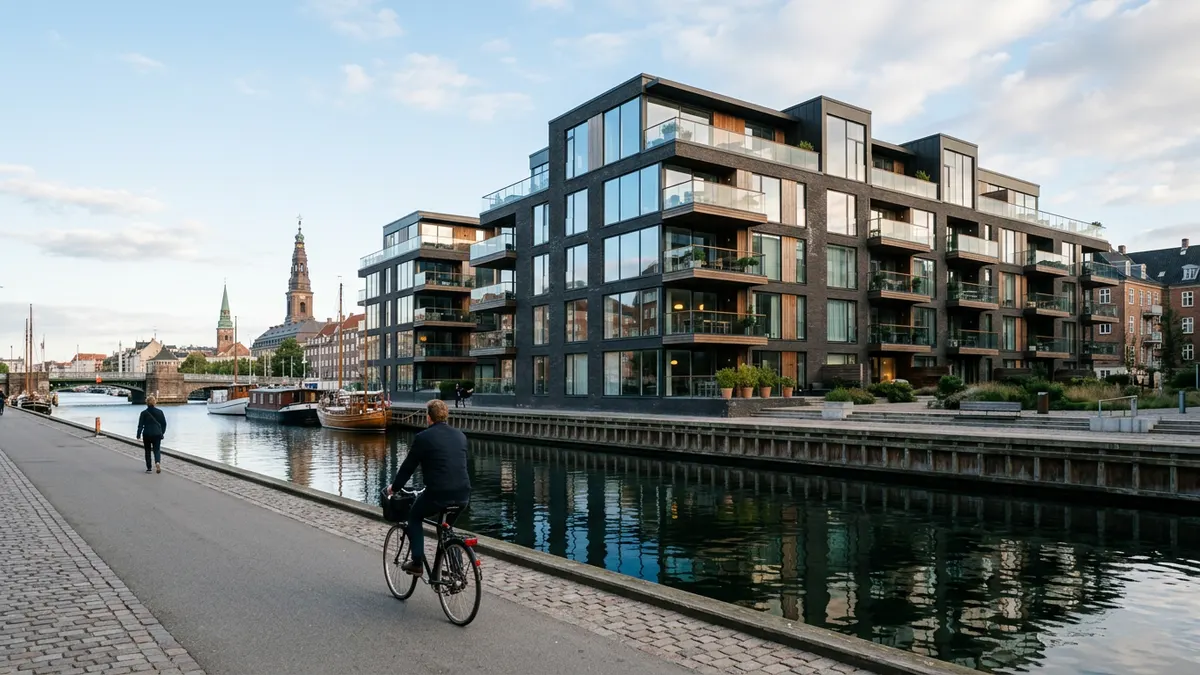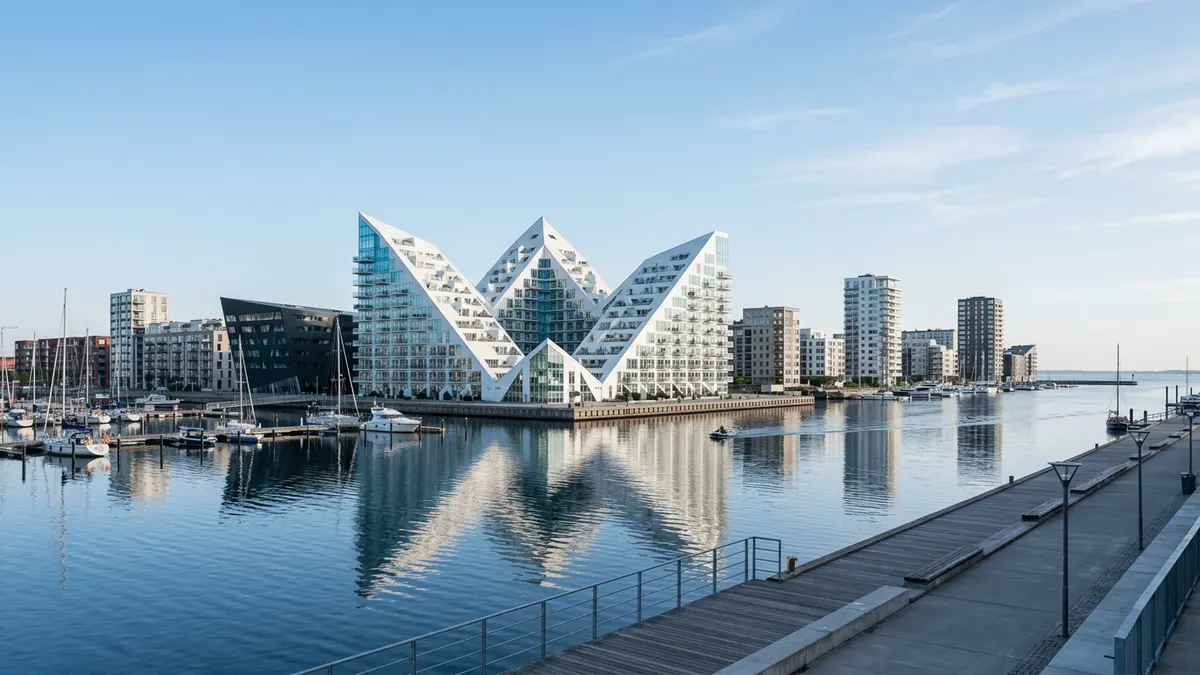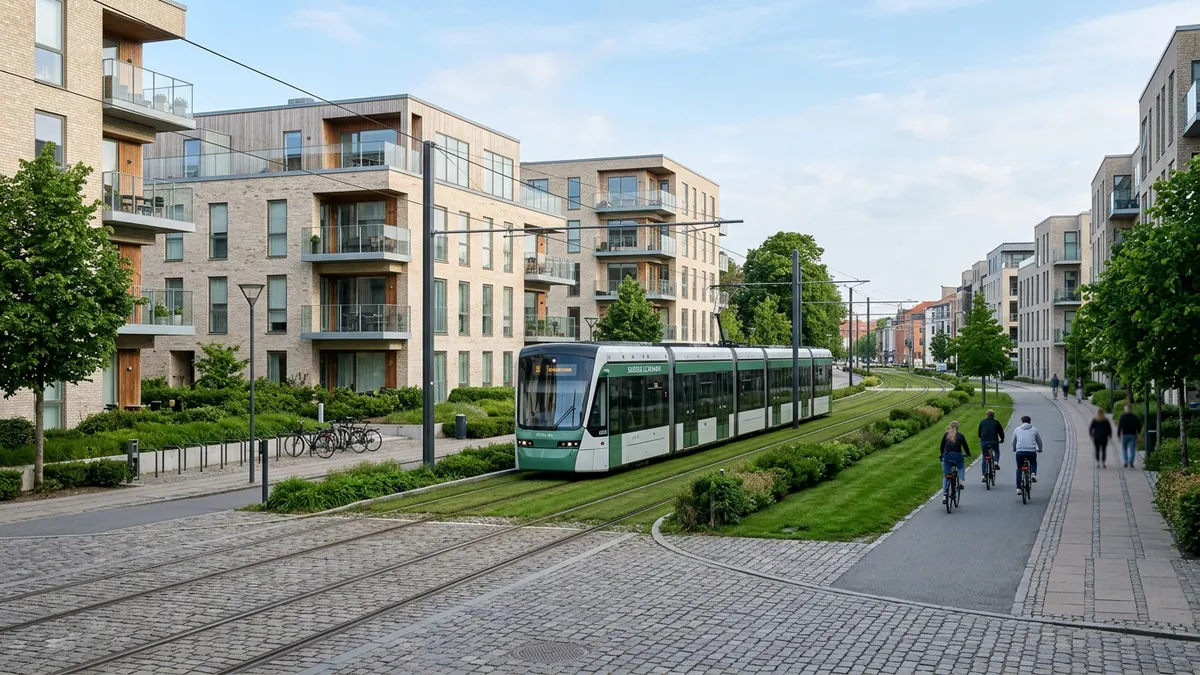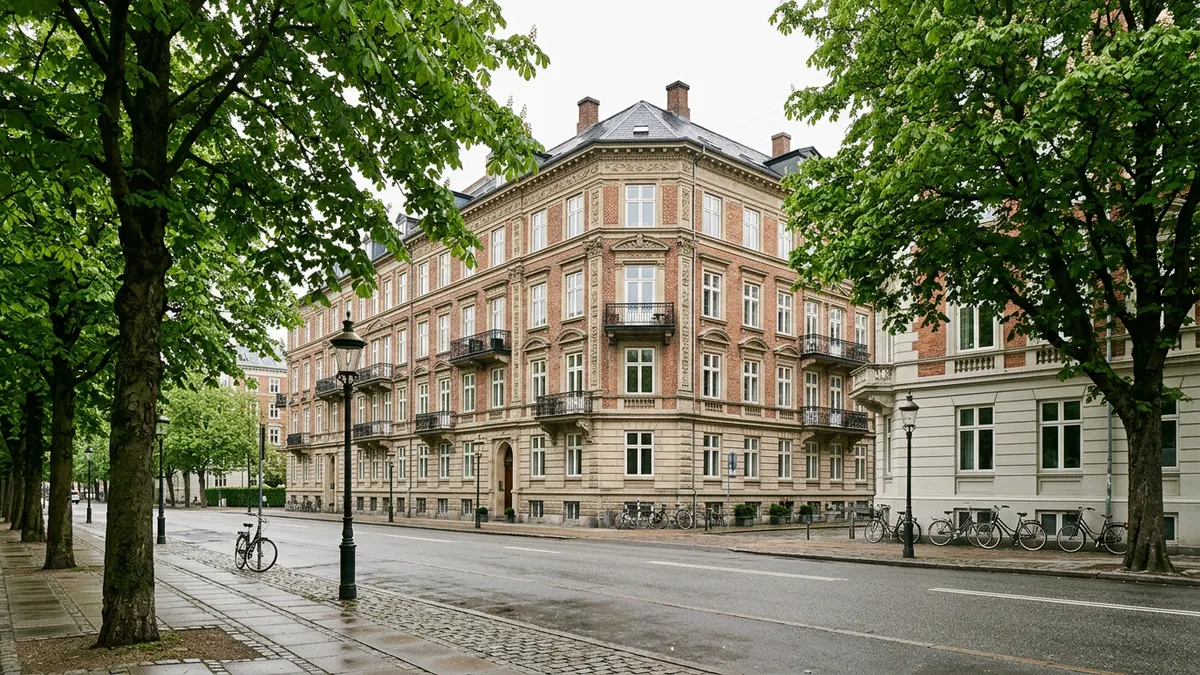
An investment property in Frederiksberg represents one of the most stable asset classes in the Danish real estate economy due to the district's limited supply and sustained demand. By focusing on long-term returns through modernisation and stable letting in this exclusive area, investors can achieve a risk profile that has historically withstood economic fluctuations better than many other geographical segments in Denmark.
The unique market for investment property in Frederiksberg
When discussing an investment property in Frederiksberg, one enters one of Denmark's most sought-after postcodes. Frederiksberg is formally an independent municipality, yet geographically enclosed by Copenhagen. This unique position creates a special market dynamic where investors benefit from the capital's growth while enjoying a municipality with a strong economic profile and historically conservative urban planning.
The market is characterised by a high degree of maturity. While urban development areas like Nordhavn or Ørestad see large new builds, Frederiksberg is defined by older, architecturally significant properties from the late 19th and early 20th centuries. For an investor, this means entry barriers are often higher, but the valuation of the existing building stock is more consistent. These are rarely quick speculation projects, but rather cases of capital preservation and solid value appreciation over decades.
Geographically, Frederiksberg is divided into several sub-markets. The area around Frederiksberg Allé and Gammel Kongevej is considered the absolute centre of exclusivity, while the neighbourhoods towards Flintholm and the borders of Valby and Vanløse offer a different profile, often with a mix of residential and commercial. Understanding these micro-locations is crucial for assessing future rental income and rental potential.
Factors driving value in Frederiksberg
Several factors contribute to an investment property in Frederiksberg maintaining its value, even when markets in other parts of Zealand or Jutland experience stagnation. One of the primary reasons is demographics. Frederiksberg attracts a high-net-worth population with high education levels and stable incomes. This minimises the risk of tomgang (vacant units), as there is almost always a waiting list for well-maintained rental housing in the municipality.
Infrastructure and urban life
The city's infrastructure also plays a central role. With several metro lines connecting Frederiksberg directly to Copenhagen K (City Centre), Kastrup Airport, and the rest of the capital region, accessibility is top-tier. For commercial leases, this means a constant flow of customers and employees, while for residential leases, it ensures the property is attractive to both families and professional singles.
Limited supply of new plots
As Frederiksberg is fully developed, there are very few opportunities for new construction. This means the existing supply of investment properties is limited. In economic terms, this creates supply pressure which pushes prices up over time. As an investor, one should not only look at the current afkast (initial yield), but largely at the long-term værdistigning (capital appreciation).
Legal frameworks for residential letting
When investing in Danish properties, it is essential to understand the rental legislation, which in Denmark is highly protective of the tenant. In Frederiksberg, many properties are covered by the rules on omkostningsbestemt leje (cost-based rent), unless the property has been thoroughly modernised under the former Section 5(2) (current rules in the Rent Act as of 2026).
It is important to distinguish between:
- Cost-based rent: Where rent is set based on the property's operating expenses plus a return on the public property value.
- Thoroughly modernised tenancies: Where rent can be set at det lejedes værdi (value of the rented premises), which often yields a significantly higher return.
- Free rent setting: Typically only applies to properties occupied after 31 December 1991.
Investors should consult legal advisors to ensure rent levels comply with current regulations, as Huslejenævnet (the Rent Control Board) in Frederiksberg is known for being thorough in their assessments. PropertyInvestments always recommends thorough legal due diligence before a purchase is completed.
Comparison of investment profiles
To illustrate differences in the Danish market, one can look at Frederiksberg relative to other growth cities like Aarhus, Odense, and Aalborg. Below is a general comparison of parameters often weighed by investors.
| Parameter | Frederiksberg | Aarhus C | Odense/Aalborg | Regional hubs |
|---|---|---|---|---|
| Risk Profile | Very low | Low | Moderate | Medium |
| Yield (Typical return) | 3.0% - 4.0% | 3.5% - 4.5% | 4.5% - 5.5% | 5.5% - 7.0% |
| Appreciation Potential | High | High | Moderate | Stable |
| Rental Demand | Extremely high | Very high | High | Stable |
| Maintenance Req. | Often high (listed/heritage) | Variable | Moderate | Moderate |
Note: Figures are indicative for the market situation in September 2026 and may vary depending on the specific case and financing terms. Contact Finanstilsynet (the Financial Supervisory Authority) or relevant industry bodies for updated market data.
Strategies for optimising returns
Although the immediate direct return on an investment property in Frederiksberg may seem lower than in, for example, Randers or Esbjerg, the total Total Shareholder Return (TSR) is often competitive due to value appreciation. However, there are several ways to optimise operations.
Modernisation and energy optimisation
With increasing requirements for ESG (Environmental, Social, and Governance) and energy efficiency, there is great potential in energy-optimising older properties in Frederiksberg. Replacing windows, insulating lofts, and optimising heating systems can not only reduce operating costs but also increase the property's value and make it more attractive to institutional investors for a later resale.
Conversion of commercial to residential
In certain areas of Frederiksberg, there may be potential in converting unused attic space or poorly utilised commercial premises on the ground floor into attractive residential tenancies. This naturally requires the correct permits from Frederiksberg Municipality, but it is one of the most effective ways to create value in a market where the price per square metre is high.
Risk management in property investment
No investment is without risk. Although Frederiksberg is one of the safest places to place capital in bricks and mortar, an investor must be aware of interest rate developments. Since 2022, interest levels have been more volatile, affecting financing costs. It is therefore crucial to have a robust financing structure, possibly with a combination of fixed-rate loans and variable interest, to withstand fluctuations.
Another risk is changes in legislation, including tax rules for property gains or changes to the Rent Act. We always recommend maintaining a close dialogue with tax advisors to understand the implications of the latest rules from SKAT (Danish Tax Agency) regarding property taxation and lagerbeskatning (mark-to-market taxation) for companies.
Why choose Frederiksberg over Copenhagen K?
Many investors ask why they should look at an investment property in Frederiksberg rather than in Indre By (Copenhagen City Centre). The answer often lies in the balance between urban life and tranquillity. Frederiksberg has a more homogenous housing stock and a more stable resident composition. Where the City Centre can be affected by noise and tourism, Frederiksberg maintains its status as an exclusive residential area. This makes it easier to retain long-term tenants, reducing costs for re-letting and refurbishment.
Furthermore, Frederiksberg Municipality has historically had an efficient administration, which can ease processes regarding building permits and other regulatory requirements compared to larger neighbouring municipalities. However, it is always important to investigate the specific lokalplaner (local development plans) for the given area.
Financing investment properties in Frederiksberg
Financing an investment property in Frederiksberg typically takes place through a combination of realkreditbelåning (mortgage credit financing) and bank financing, supplemented by the investors' equity. Mortgage institutions assess the property based on its ability to generate stable cash flow. As Frederiksberg is considered an 'A-location', the willingness to finance is often greater than in smaller towns, and one can often obtain the most advantageous interest margins.
It is important to note, however, that the Loan-to-Value ratio can vary depending on the property type. A purely residential rental property typically has different financing terms than a mixed-use property with a large proportion of commercial tenancies.
Future outlook for 2026 and beyond
Looking towards the end of the 2020s, Frederiksberg is expected to remain a 'safe haven' for capital. The green transition will be the dominant theme. Properties that are already climate-proofed and energy-rated at the top of the scale will trade at a premium (green premium). Investors buying now should therefore factor the costs of sustainability measures into their budgets.
Urbanisation in Denmark continues, and even though remote work has become more widespread, people still gravitate towards centres with high quality of life, culture, and good schools. Frederiksberg delivers on all these parameters, supporting long-term demand for both residential and commercial space.
Conclusion on investing in Frederiksberg
Acquiring an investment property in Frederiksberg requires patience, significant capital, and a keen eye for quality. It is not a market for quick gains, but rather the foundation of a solid investment portfolio. By focusing on the property's condition, rental potential, and the legal framework, one can create an investment that yields returns for many years to come.
For the international investor, Frederiksberg offers unique access to the Danish market with a risk comparable to the best neighbourhoods in cities like London, Paris, or Stockholm, but often with a higher degree of transparency and stability in the legal system.
Frequently asked questions
What is the typical yield in Frederiksberg?
The typical initial yield on a well-located investment property in Frederiksberg in 2026 often lies between 3.0% and 4.0%. This reflects the low risk and high potential for value appreciation over time.
Is it difficult to find vacant properties for sale?
Yes, the market in Frederiksberg is characterised by many 'off-market' deals. Many properties are traded through networks and specialised advisors before they reach the public market. It therefore requires good industry relationships to access the best cases.
How does the Rent Act affect my return potential?
The Rent Act sets the framework for how much you may charge in rent. In Frederiksberg, many older properties are regulated. However, modernisation according to current rules can enable a higher rent (value of the rented premises), which is a central part of many investors' strategies.
Which areas in Frederiksberg are most attractive?
The areas around Frederiksberg Gardens, Frederiksberg Allé, and the neighbourhoods near Gammel Kongevej are considered most exclusive. However, the areas around Flintholm and northern Frederiksberg are growing due to good transport links and new urban development projects.
How PropertyInvestments can help
PropertyInvestments has been active in the Danish property market since 1985 and has an in-depth knowledge of the micro-market in Frederiksberg. We assist both Danish and international investors with sourcing opportunities, reviewing property potential, and managing the sales process. Our focus is always on a professional and concrete assessment of the investment to ensure long-term results. Contact us at info@propertyinvestments.dk or +45 31 16 31 00 for a non-binding dialogue about your opportunities.