An investment property in Copenhagen represents one of the most stable asset classes in the Danish investment landscape due to the city's constant population growth and limited supply. Investing in the capital requires insight into complex rental laws, varying yield requirements across districts such as Østerbro and Nordhavn, as well as a long-term strategy for value optimisation and professional administration.
Market dynamics for investment property in Copenhagen
Copenhagen differs significantly from the rest of the Danish property market. While cities like Randers, Esbjerg, or Horsens often see higher ongoing yields, Copenhagen is characterised by lower initial yields, offset by historically strong capital appreciation and minimal vacancy risk. This makes an investment property in Copenhagen a preferred choice for investors prioritising security and capital preservation.
As of September 2026, the market is characterised by maturation following the interest rate adjustments of previous years. Today, investors look more at the fundamental qualities of the property—including energy class, maintenance status, and optimisation potential—rather than merely relying on general price increases. The Copenhagen market is divided into several segments, including classic residential properties, modern new-builds, and commercial properties, each reacting differently to economic cycles.
When sourcing an investment property in Copenhagen, it is essential to understand that the city is not one homogeneous market. Pricing in the Indre By (City Centre) is driven by exclusivity and limited supply, while areas like Valby and Sydhavnen are shaped by extensive urban development and new housing forms. This differentiation is crucial for how an investor composes their portfolio.
Geographical segmentation: Where to invest in the capital?
The choice of district has a direct impact on both risk and return. PropertyInvestments has observed since 1985 how the city's centre of gravity has shifted, but the core principles of location remain the same.
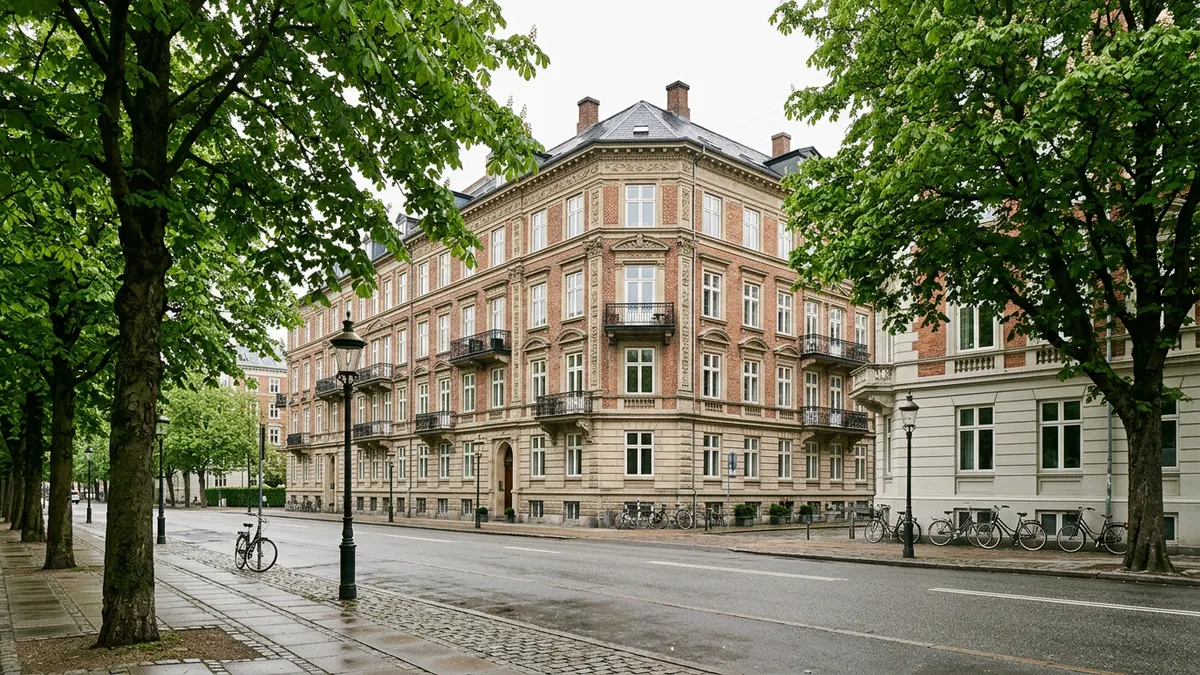
The classic 'bridge quarters': Østerbro, Frederiksberg, and Vesterbro
These areas are characterised by older, architecturally beautiful properties. Demand for tenancies here is always high, ensuring a stable cash flow. The challenge for the investor is often the maintenance burden and the regulatory framework for older housing stock (including the rental legislation's rules on omkostningsbestemt leje (cost-based rent)).
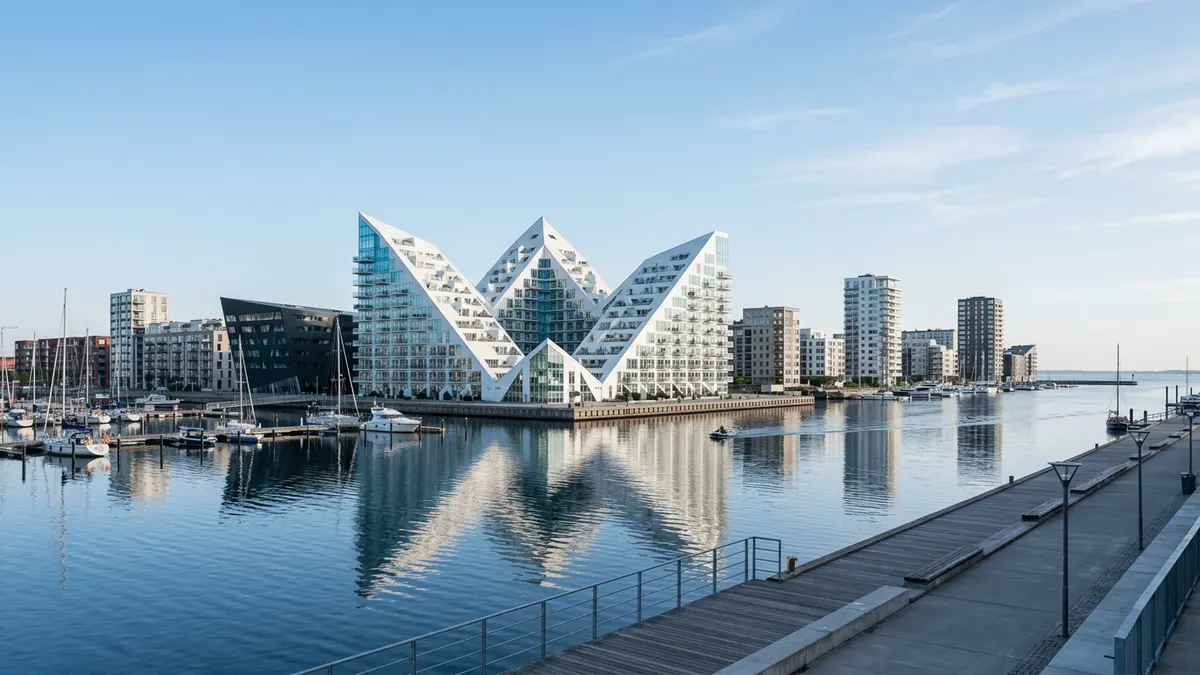
Development areas: Nordhavn and Sydhavn
New-builds in these areas offer a different profile. Here, properties are energy-optimised, reducing operating costs. The rent is often set as fri leje (market rent/free rent), providing more transparency in budgeting. However, entry prices per square metre are typically higher here than in the older districts.
The suburbs and Greater Copenhagen
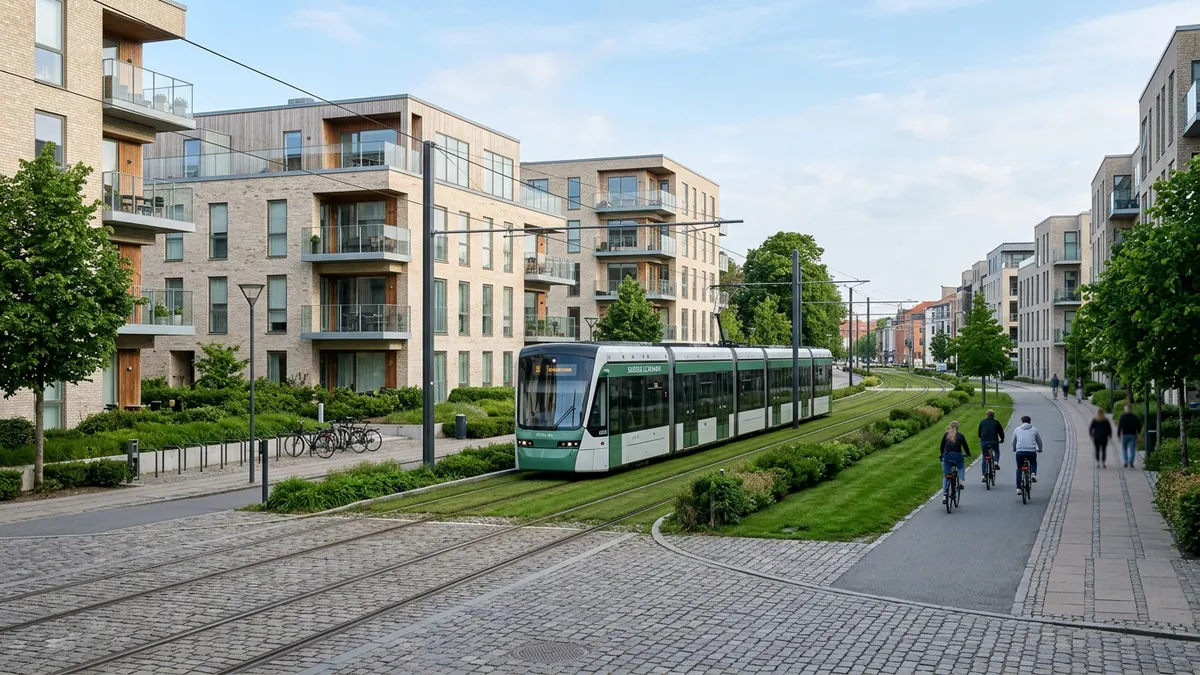
Investors are increasingly looking towards towns like Glostrup, Herlev, and Rødovre. Here, one can often achieve a higher direct yield than in central Copenhagen, while benefiting from infrastructure expansions such as the Light Rail (Letbanen). This creates interesting opportunities for those seeking a balance between return and risk.
| Area Type | Characteristics | Typical Investor Profile |
|---|---|---|
| Core (City Centre) | Low risk, low yield, high value security | Institutional and long-term funds |
| Value-add (Bridge Quarters) | Medium risk, optimisation potential | Private investors and developers |
| Growth (Development Zones) | Modern standards, free rent setting | Investors focused on operational efficiency |
Legal frameworks and rental legislation for investment properties
One of the biggest pitfalls when purchasing an investment property in Copenhagen is a lack of insight into Danish tenancy rules. Denmark has some of Europe's most extensive rental legislation, protecting the tenant and regulating how much the landlord may charge in rent.
Rent setting
There are generally three principles for rent setting in Danish residential tenancies:
- Omkostningsbestemt leje (Cost-based rent): Applies primarily to older properties in regulated municipalities (including Copenhagen). Here, the rent is fixed based on the property's operating expenses plus a return on the property's value.
- Det lejedes værdi (Value of the leased premises): Often used in unregulated municipalities or for certain extensively modernised tenancies.
- Fri lejefastsættelse (Free rent setting): Applies to properties taken into use after 31 December 1991. This gives the landlord the greatest freedom, though the rent still must not be unreasonable.
It is important to note that the rules for extensive modernisations (formerly Section 5(2), now Section 19(2)) have been tightened in recent years. We always recommend seeking specialised legal advice from solicitors with expertise in lejeret (tenancy law) before entering a purchase agreement, as an incorrect assessment of the rent level can undermine the entire investment calculation. One should also consult SKAT (the Danish Tax Agency) to understand the tax implications of property operations.
Strategies for value optimisation
To succeed with an investment property in Copenhagen in 2026, an active approach to Asset Management is required. The era where one could simply buy and wait for price increases is over. Today, it is about creating value through targeted measures.
- Energy optimisation: With increasing focus on ESG (Environmental, Social, and Governance), the property's energy rating has become a critical factor. Investments in insulation, new windows, or heat pumps can not only reduce operating costs but also increase the property's value and make it more attractive to institutional buyers in the future.
- Optimisation of unused areas: Many Copenhagen properties have unused attic spaces or basements that, under the right circumstances, can be converted into residential or commercial use. This naturally requires planning permission from Københavns Kommune (Copenhagen Municipality).
- Digitisation of property operations: Implementing smart metering systems and digital administration platforms can reduce administration costs and improve the tenant experience.
Financing property investments in Denmark
The Danish mortgage system is unique and often offers attractive financing options compared to abroad. When purchasing an investment property in Copenhagen, financing will typically consist of a combination of realkreditlån (mortgage credit loans) (up to 60-80% depending on property type and valuation) and equity.
In the current market, we see that banks and mortgage institutions are placing greater demands on investor robustness and property cash flow. It is no longer enough to have a good location; documentation for rental income, operating budgets, and maintenance plans must be flawless. PropertyInvestments often assists in preparing this material so it appears professional to financial partners.
It is important to consult the guidelines of Finanstilsynet (the Danish Financial Supervisory Authority) and speak with your bank about specific requirements for loan-to-value ratios and bidragssatser (contribution rates/administration fees), as these can vary according to the investor profile and the property's use.
Risk management in a capital city market
Although Copenhagen is considered a safe haven, no investment is without risk. As an investor, you should consider:
- Interest rate risk: Although you can fix the interest rate on mortgage loans, the general interest rate level affects property prices and yield requirements.
- Legislative risk: Political decisions regarding rental legislation or ejendomsskatter (property taxes) can change the prerequisites for an investment quickly.
- Market risk: Although vacancy is low, specific segments (e.g., office spaces in certain areas) can experience oversupply.
A thorough Due Diligence is the most important tool to counter these risks. This involves a technical review of the building, a legal review of tenancy agreements, and a financial analysis of the operating budget.
Comparison with other Danish growth cities
While the focus here is on investment property in Copenhagen, it may be relevant to look at alternatives in cities like Aarhus, Odense, or Aalborg. These cities are also experiencing growth and have strong educational environments that ensure demand for housing.
Aarhus has many similarities to Copenhagen, but price points are often slightly lower. Odense benefits from massive investments in infrastructure and robotics technology, creating new commercial opportunities. For a diversified portfolio, it can make sense to combine the stability of Copenhagen with the higher growth potential in other major Danish cities.
The professional process for sourcing properties
Finding the right investment property in Copenhagen requires a strong network. Many of the most attractive properties are never publicly listed but are traded "off-market" between professional actors.
The process for a successful investment typically includes:
- Identification of needs: Definition of risk profile, time horizon, and desired return.
- Sourcing: Active searching via networks and databases.
- Screening: Rapid assessment of the property's potential and critical factors.
- Due Diligence: Comprehensive analysis of all relevant conditions.
- Negotiation and closing: Ensuring the best possible terms for the buyer.
PropertyInvestments has navigated these processes since the mid-80s and knows that the detail is often the difference between a good and a mediocre investment.
Conclusion on the market in 2026
Investment properties in Copenhagen remain a cornerstone of many investors' portfolios. With a city that continues to grow and a limited amount of buildable land, the foundation for long-term investment is intact. However, today it requires a higher degree of professionalism, insight into legislation, and a focus on sustainable operations to achieve the desired result. By combining local knowledge with a methodical approach to sourcing and property development, investors can find attractive opportunities even in a competitive market.
Frequently asked questions
What is a realistic yield on an investment property in Copenhagen?
The yield depends heavily on location and property type. In central Copenhagen, lower initial yields are often seen against expectations of higher capital appreciation, while higher ongoing yields can be found on the outskirts of Greater Copenhagen. Contact an advisor for a specific assessment of the current market.
Why is rental law so important in property investment?
Danish rental legislation regulates everything from the size of the rent to maintenance obligations and termination. If you buy a property without ensuring the current rent is legal, you risk being ordered to lower the rent and repay overcharged rent. It is therefore critical to perform a legal review.
Can foreign investors buy property in Denmark?
Yes, foreign companies and investors can buy investment properties in Denmark, but there are specific rules to be aware of, including rules on commercial use and potential permits from Justitsministeriet (the Ministry of Justice) for certain types of property. We always recommend professional advice on this matter.
Which district in Copenhagen is best for investment?
There is no single "best" area. It depends on your strategy. If you seek security, the 'bridge quarters' are good. If you seek modern operations and free rent setting, Nordhavn or Ørestad are interesting. If you seek higher yields, you might look towards the suburban municipalities.
How PropertyInvestments can help
PropertyInvestments has since 1985 assisted Danish and international investors in navigating the Danish property market. We source, structure, and sell investment properties with a focus on concrete value creation and professional integrity. Our services range from initial market analysis to preparing properties for sale and following up on the final transaction.
If you are considering investing in an investment property in Copenhagen or wish to optimise your current portfolio, you are welcome to contact us for a non-binding dialogue about your options.
Contact information: Email: info@propertyinvestments.dk Telephone: +45 31 16 31 00