Køge represents one of the most prominent hubs for property investment in Zealand today. An investment property in Køge benefits from the city's unique position, where massive infrastructure expansion—including Køge Nord Station and the Fehmarn Belt Link—is coupled with ambitious urban development projects such as Søndre Havn, creating a stable growth base for both commercial and residential investors.
The strategic location as an engine for growth
Køge's geographical location has historically always been an advantage, but in recent years the city has been transformed from a traditional provincial town into an integrated part of Greater Copenhagen's growth dynamics. For investors seeking an investment property in Køge, it is important to understand how the city's geography interacts with the main transport corridors in Denmark.
The location at the intersection of the E20 and E47 motorways makes the city a logistical focal point. This has resulted in high demand for commercial space, particularly in warehousing and logistics, but also an increased influx of residents who work in Copenhagen but want more value for money in their housing. This demographic development directly impacts the market for residential rental properties.
Compared to neighbouring cities such as Roskilde or Ringsted, Køge offers a unique combination of harbour proximity and direct access to high-speed trains. Where Roskilde is characterised by educational institutions and culture, Køge has positioned itself to a higher degree as a commercial powerhouse focusing on logistics, transport, and now modern urban living. This creates a differentiated risk profile for the investor.
The importance of infrastructure for property prices in Køge
Infrastructure is often the primary catalyst for capital appreciation in real estate. In Køge, this is most clearly seen through the establishment of the new high-speed railway between Copenhagen and Ringsted, with the central stop at Køge Nord. This station serves not just as a transport stop, but as a magnet for new investments in both office buildings and housing.
- Køge Nord: The area around the station is designated for massive development. Thousands of square metres are being planned and constructed to house the knowledge-based companies and commuters of the future.
- Fehmarn Belt Link: When the fixed link to Germany opens, Køge will lie directly on the main artery between Scandinavia and the rest of Europe. This is expected to further increase interest in logistics properties.
- Køge Bugt Motorway: Continuous expansions ensure that travel time to Copenhagen is kept at a level that makes Køge attractive for professionals moving towards the suburban municipalities.
For the long-term investor, these initiatives mean that vacancy risk is minimised, as accessibility ensures a constant stream of potential tenants, whether for residential or commercial premises.
Development areas and urban planning
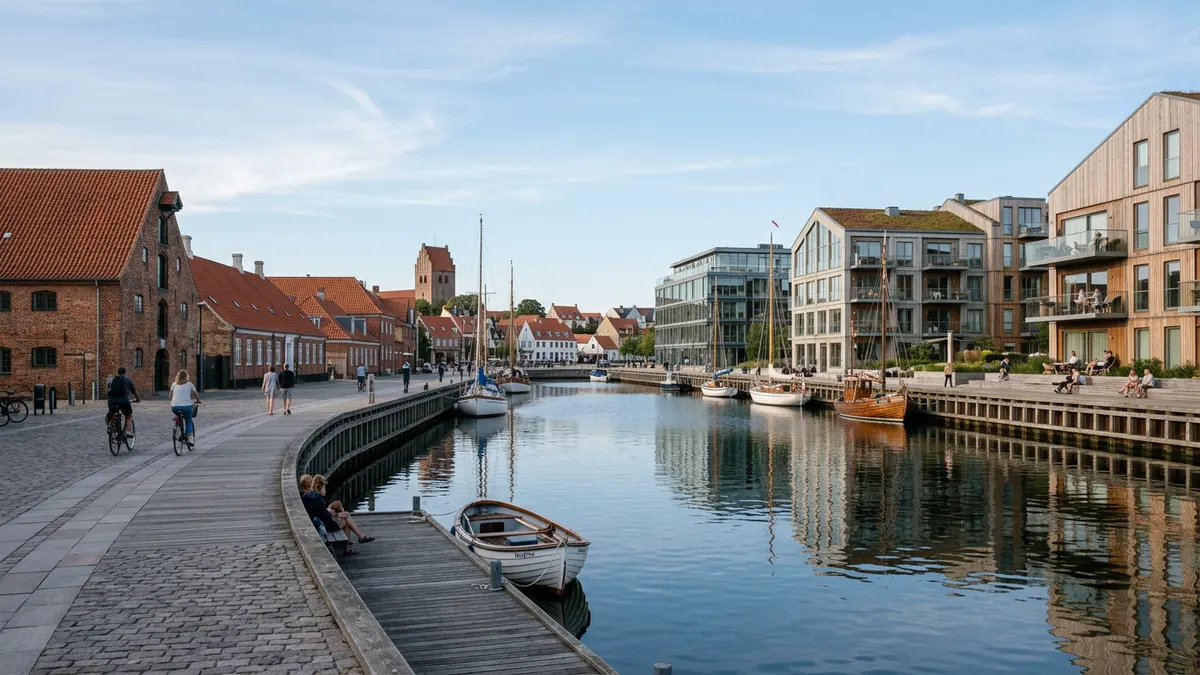
Køge Municipality has shown a proactive approach to urban development in recent decades. In particular, the "Køge Kyst" project has transformed former industrial areas by the harbour into attractive urban districts. When considering an investment property in Køge, one should look closer at the following sub-districts:
Søndre Havn
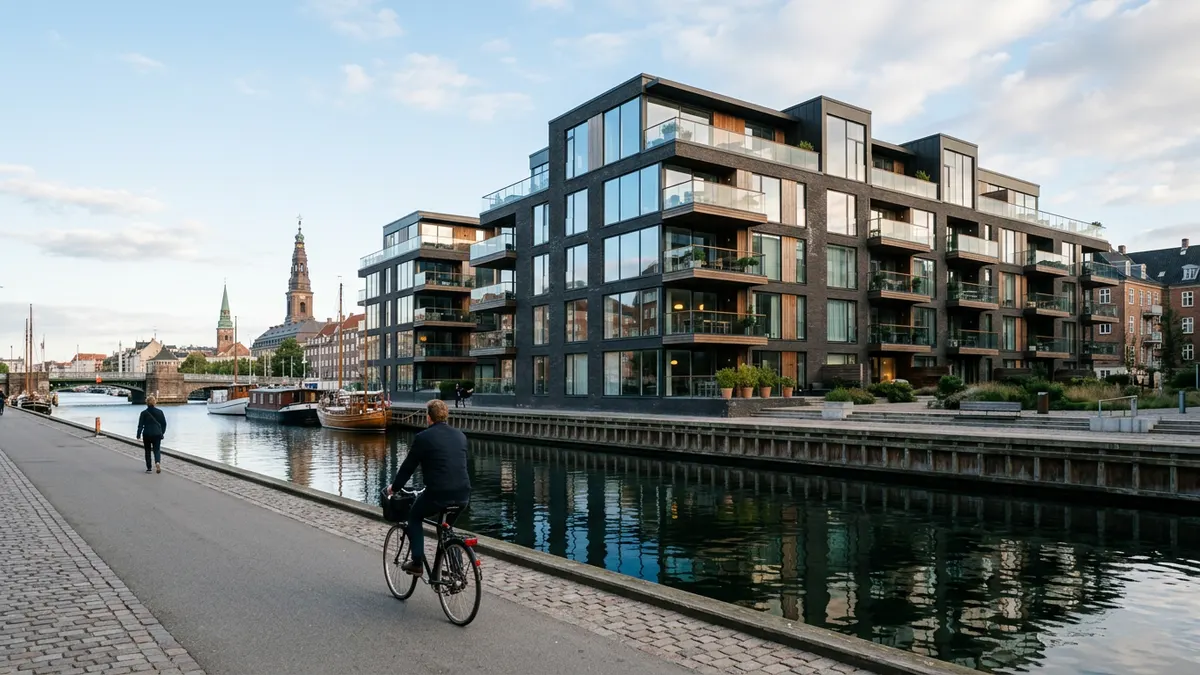
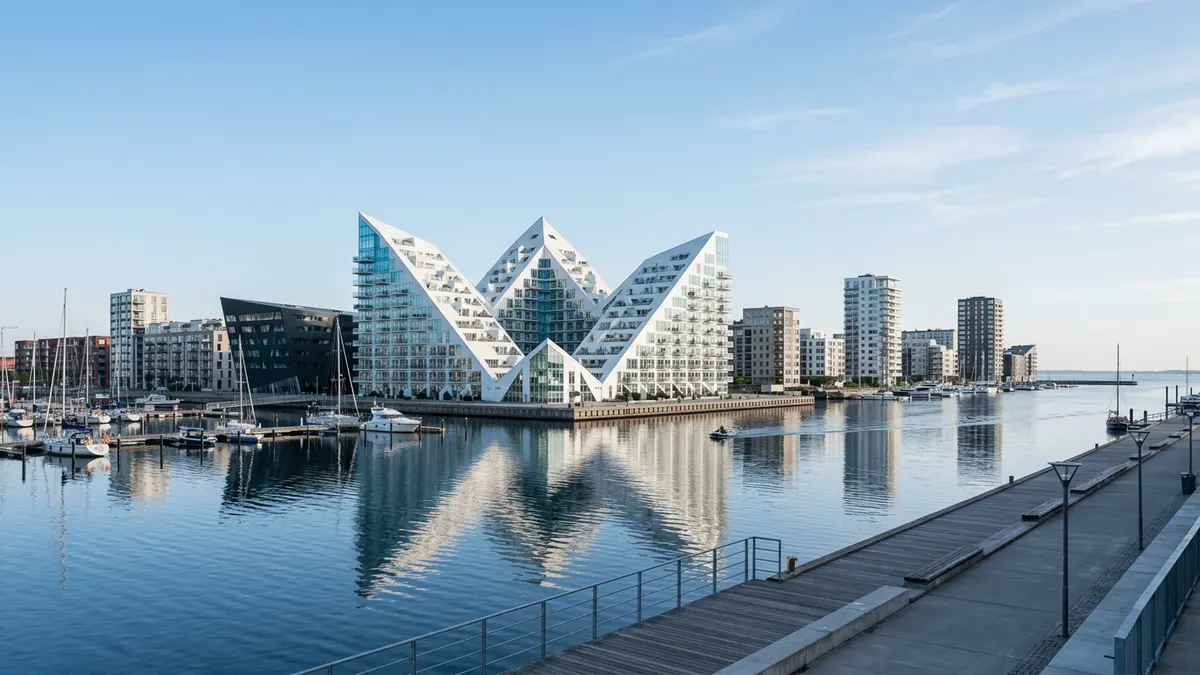
This area is an example of modern urban planning, where housing, business, and nature are integrated. Construction here focuses on sustainability and architectural quality, attracting a high-income audience and stable tenants. Rent levels here reflect the high standard and the attractive location close to the water.
Køge Nord
As mentioned earlier, this is the new growth area. This involves a more raw and modern development where infrastructure is the focal point. The investment case here often revolves around future potential as the area is fully developed and integrated with the existing city core.
The historic city centre
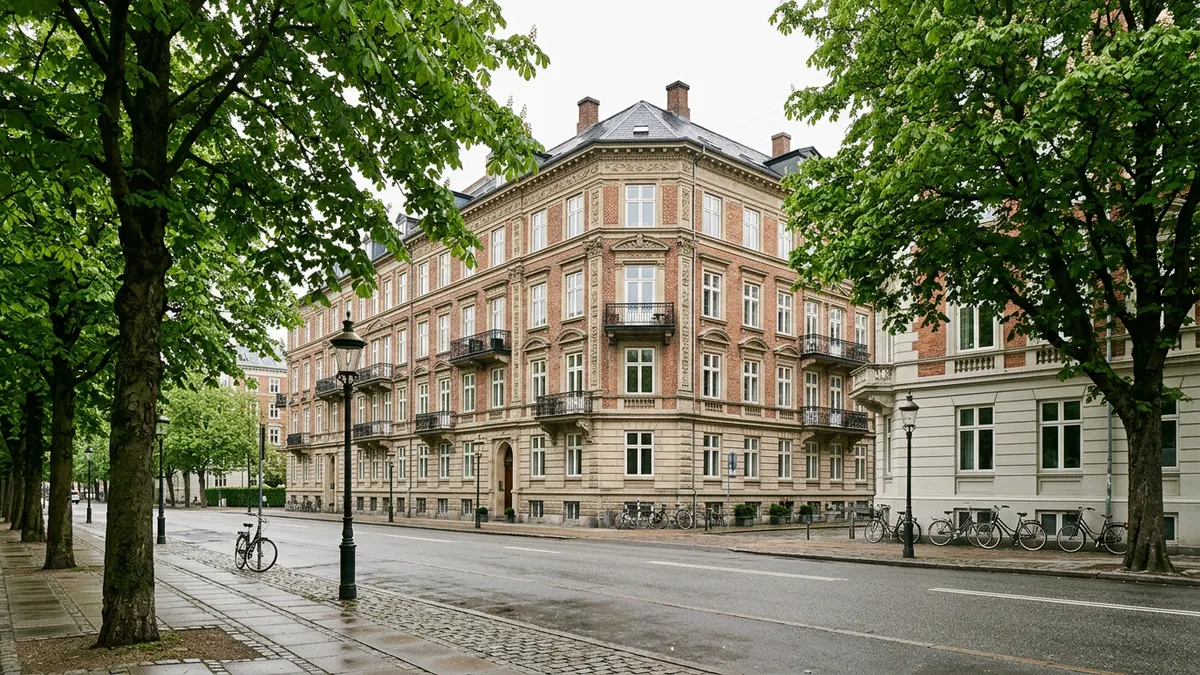
Køge's centre is known for its medieval character and cosy atmosphere. Investment properties in this part of the city often consist of older buildings with mixed commercial (shops/restaurants) on the ground floor and residential on the upper floors. This offers stability and heritage value, but as an investor, one must be aware of building preservation rules and maintenance requirements.
Segments within property investment in Køge
The market in Køge can be roughly divided into three main categories, each requiring different expertise and capital readiness:
| Segment | Focus Area | Potential | Risk |
|---|---|---|---|
| Residential Rental | Modern flats, terraced houses | Stable cashflow, low vacancy | Moderate (interest rate dependent) |
| Commercial & Logistics | Warehouses, distribution centres | High direct yield, strong tenants | Economic cycle sensitive |
| Retail & Office | High street shops, station offices | Central location, visibility | Structural changes in retail |
The growing residential market
The residential market in Køge benefits from the general urbanisation trend, but with the twist that many are moving away from Copenhagen's very high prices per square metre. Køge offers a "real" city with cultural offerings, a hospital (Sjællands Universitetshospital, Køge (Zealand University Hospital, Køge)), and education, making it a destination in its own right rather than just a commuter town.
Logistics and transport
With the expansion of Køge Harbour and the large commercial areas in Køge Nord, the city has become a logistical hub. Companies like Netto, Lidl, and several large transport firms have already established large centres here. For an investor, this means opportunities in sale-and-leaseback transactions or the development of new logistics facilities.
Framework conditions and legislation
When investing in Danish properties, there are a number of legal and tax matters to be aware of. Although Køge is a growth city, national rules for rent setting, taxation, and financing apply.
The Rent Act and the Residential Regulation Act: In Denmark, rental legislation is complex. For older properties, the rent may be regulated according to det lejedes værdi (the value of the rented premises) or omkostningsbestemt leje (cost-based rent). For new-build properties (taken into use after 31 December 1991), there is typically fri fastsættelse af lejen (free market rent setting), which makes new construction in areas like Søndre Havn particularly interesting for professional investors.
Tax considerations: Depreciation on commercial properties, property taxes, and potential corporate structures should always be discussed with an accountant or tax advisor. The rules for ejendomsvurderinger (property valuations) have been subject to political debate and changes in recent years, and it is crucial to have the latest information from SKAT (Vurderingsstyrelsen (The Danish Property Assessment Agency)).
Financing: The Danish mortgage system offers some of the world's most stable financing options. However, banks and mortgage credit institutions now require a thorough review of the property's energy rating and ESG (Environmental, Social, and Governance) profile. In Køge, where much new construction is taking place, it is often easier to obtain favourable financing for properties with a high energy class.
ESG and sustainability in Køge
Sustainability is no longer a niche but a basic requirement in modern property investment. In Køge, this is clearly seen in new developments, where DGNB certifications are often utilised. Investors should focus on:
- Energy Ratings: Properties with poor energy ratings (E, F, G) will face significant renovation requirements in the future and may be harder to finance.
- Social Sustainability: Development in Køge emphasises mixed districts with room for young people, seniors, and families. This ensures a broader tenant base.
- Climate Proofing: As Køge is a harbour city, the municipality is very focused on coastal protection and rainwater management. Investment properties in low-lying harbour areas are today built with these considerations in mind.
Market development towards 2026
By September 2026, we see a market in Køge that has matured significantly. The major infrastructure projects are either completed or in their final phases. This has created a new normal for property prices in the area. Where one could previously find "undervalued" gems, the market today requires a more analytical approach to identify value-adding opportunities.
The interest rate market naturally plays a significant role. After a period of fluctuating rates, the market has found a more stable level, making it easier to calculate yield requirements on investment properties. In Køge, the yield for residential rental properties typically sits at a level that reflects the lower risk compared to smaller provincial towns, but with a higher yield potential than the most expensive areas in Copenhagen K or Hellerup.
Why choose Køge over other cities?
When comparing Køge with other growth centres like Aarhus, Odense, or Aalborg, the primary advantage is proximity to the capital combined with the role as the gateway to Europe via the Fehmarn Belt. While Aarhus has its own strong engine, Køge functions both as an independent economy and as a satellite to Copenhagen.
For an investor wishing to diversify their portfolio, Køge offers a good balance. You gain access to a growing labour market (particularly within the health sector with the large hospital and in transport), a stable population base, and a municipality that actively works to attract investment.
It is, however, important to emphasise that no investment is without risk. Real estate prices can fall, and political intervention in rental legislation or changes in tax rules can affect profitability. Professional advice from brokers, lawyers, and accountants is therefore essential before any transaction, including costs like tinglysningsafgift (land registration fee).
Conclusion on investment potential
Køge has moved from being an exciting opportunity to being an established and necessary part of any serious property portfolio in Zealand. The combination of a historic core, a modern waterfront, and a high-tech logistics hub creates unique versatility. Whether focusing on housing for commuters, office facilities for knowledge-based companies, or large warehouses, Køge provides the framework for it.
The future looks bright for the region, but success depends on the ability to navigate local conditions. Understanding local plans, upcoming infrastructure projects, and the specific needs of local tenants is the key to a successful investment property in Køge.
Frequently asked questions
Why is an investment property in Køge attractive right now?
Køge is experiencing a historically large infrastructure expansion, including the Fehmarn Belt Link and Køge Nord, which attracts both businesses and new residents. This creates sustained demand for residential and commercial space.
Which areas in Køge are most popular for residential investment?
Søndre Havn is very popular due to its proximity to the water and modern facilities. Køge Nord is growing rapidly as a new residential and commercial area close to high-speed trains to Copenhagen.
What are the expectations for commercial leases in Køge?
Continued strong demand is expected, particularly in logistics and transport, as Køge serves as a hub between Copenhagen and the rest of Europe.
Are there specific risks when investing in Køge?
As in all harbour cities, one must be aware of climate proofing. Additionally, one must always navigate Danish rental legislation and the economic cycles that affect the property market in general.
How PropertyInvestments can help
PropertyInvestments has helped investors find the right opportunities in the Danish property market since 1985. We source, structure, and prepare investment properties, including in growth areas like Køge. Our team follows the process from the initial analysis until the property is ready for sale or finally handed over.
If you are looking for a professional partner to identify an investment property in Køge or elsewhere in Zealand, you are welcome to contact us for a non-binding dialogue about your investment criteria.
Contact us at info@propertyinvestments.dk or telephone +45 31 16 31 00.