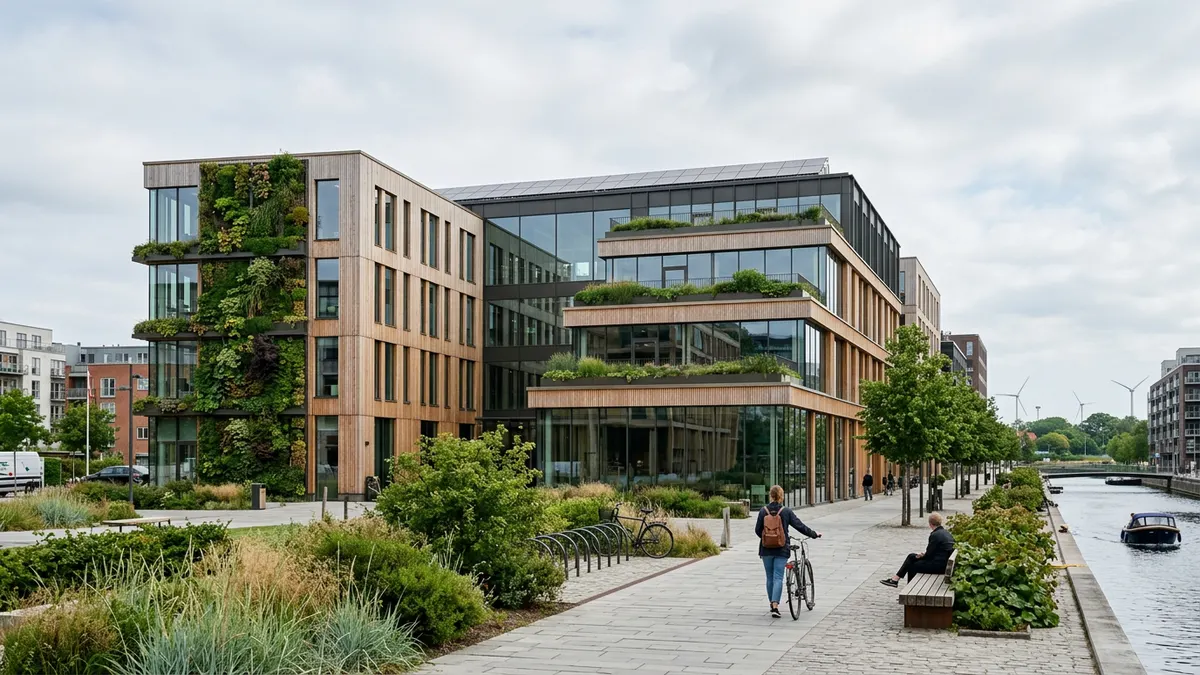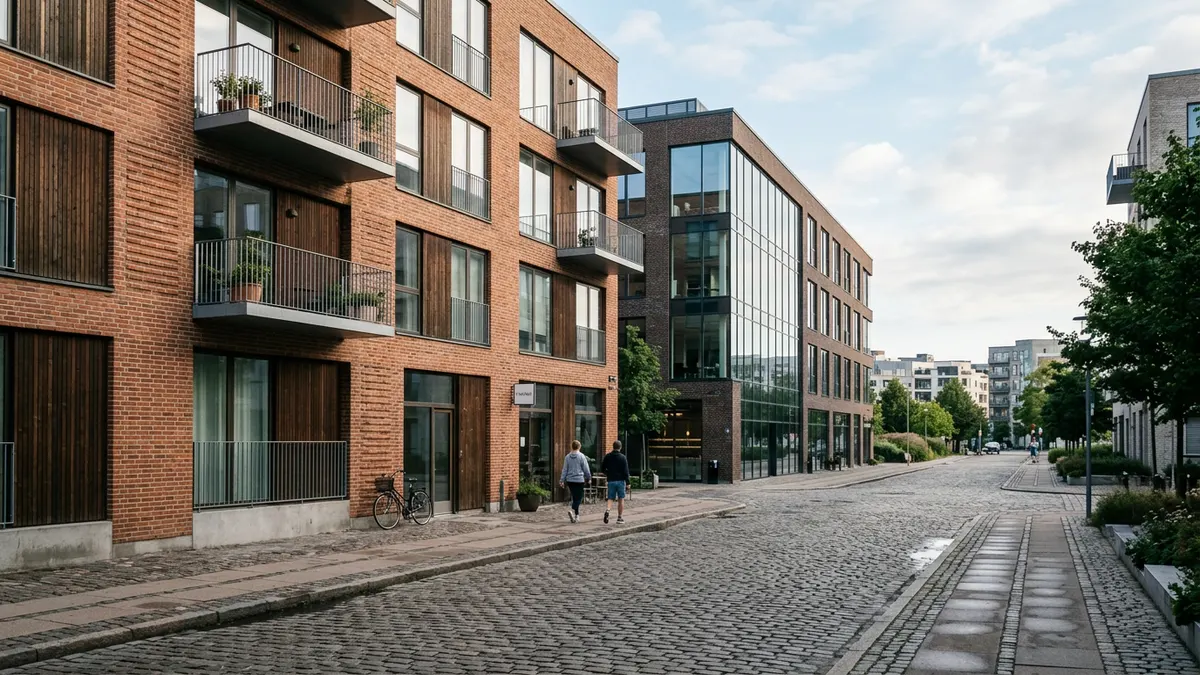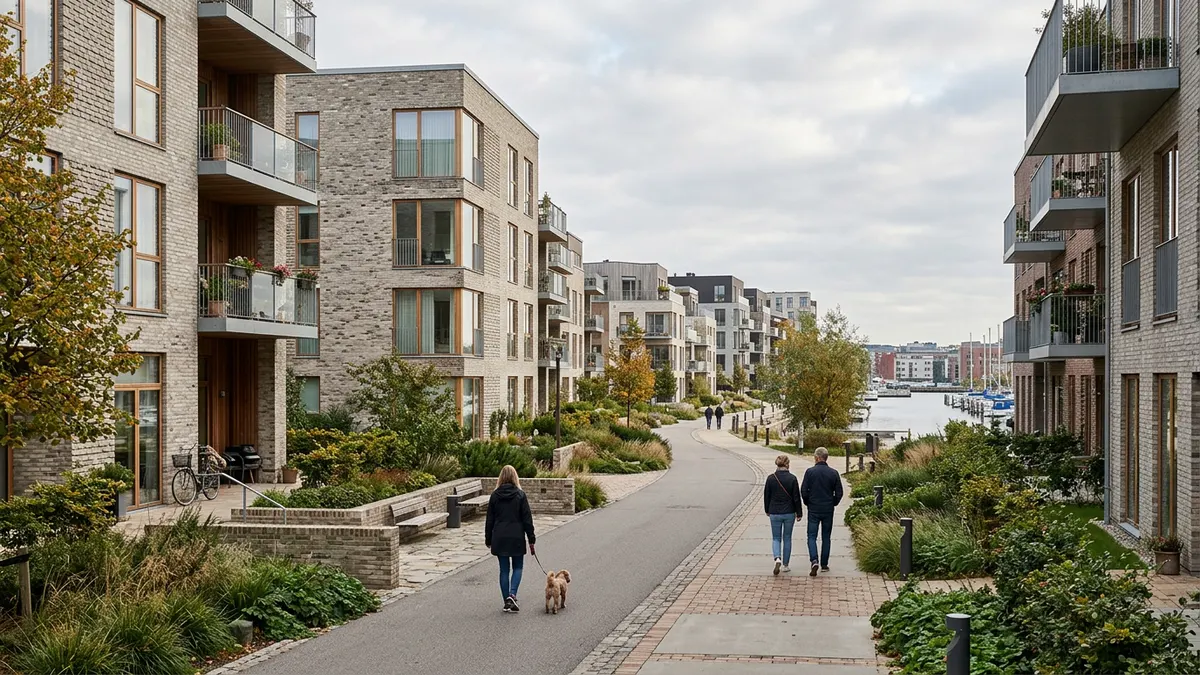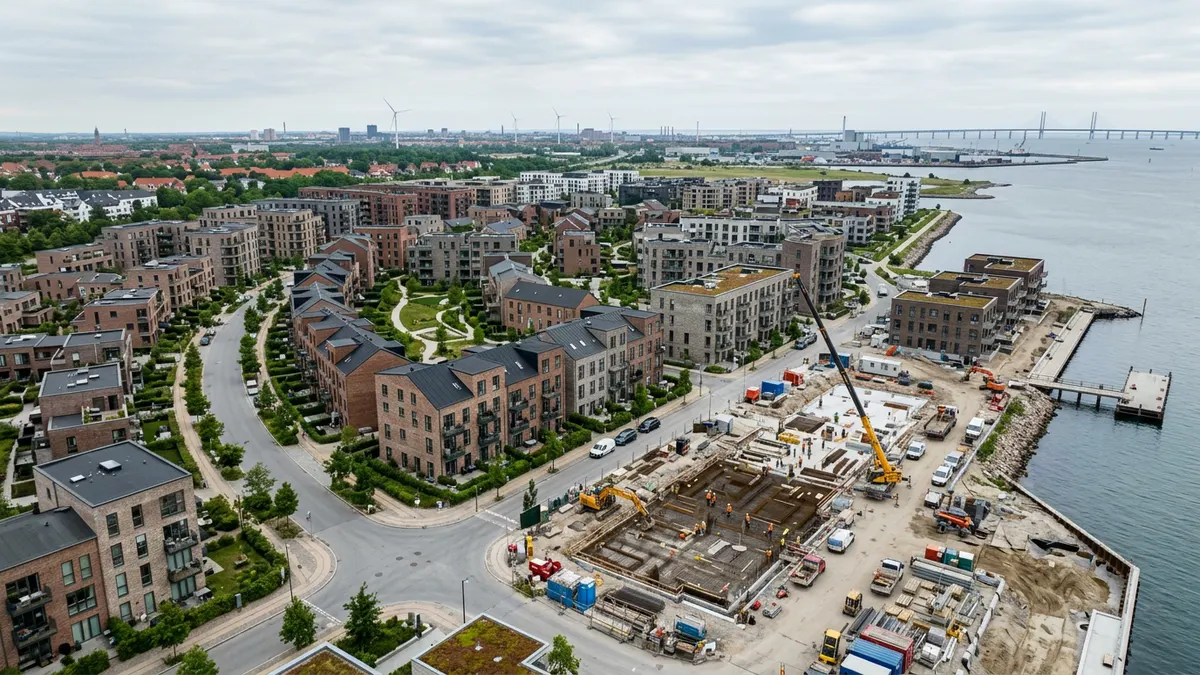
The link between demographics and property investment is fundamental for long-term returns, as population growth in specific regions creates sustained pressure on housing supply. By analysing migration patterns, urbanisation, and age composition, investors can identify areas such as Copenhagen, Aarhus, and the growth cities of East Jutland, where housing demand is expected to rise significantly in the coming decades.
Demographics and property investment: The foundation for long-term growth
When discussing property investment, location is often the first thing mentioned. However, a location's value is, in reality, a reflection of demographic movements. Demographics and property investment are two sides of the same coin; without a population in need of a roof over their heads, bricks and mortar lose their economic value. In Denmark, we are currently seeing a significant shift in where people choose to settle, which places high demands on investors to be precise in their market analyses.
Demographic development in Denmark is characterised by several simultaneous trends. The most prominent is urbanisation, where the population migrates towards major cities and their hinterlands. This is primarily due to the concentration of educational institutions, jobs within knowledge-intensive industries, and a general preference for urban facilities. For an investor, this means that the risk of vacancy is often reduced in areas with positive net migration.
However, it is not just the number of people that matters, but also who they are. Age composition plays a critical role. We are seeing an increase in the number of seniors (often referred to as "the grey gold"), who are moving from large detached houses to smaller, more maintenance-free apartments in urban environments. Simultaneously, there is a constant stream of young people heading towards university cities. Both groups demand smaller housing units, which affects which types of properties are most attractive to invest in.
The importance of urbanisation for the Danish property market
Urbanisation is not a new phenomenon, but in Denmark, it is a process that has accelerated and changed character. Previously, we saw broad growth across the entire country, but today growth is centred around a few power centres. Copenhagen and its surroundings, Aarhus, Odense, and the Triangle Area (Vejle, Kolding, Fredericia) are the primary recipients of this influx.
As the population grows in these cities, it creates a natural increase in rent levels, as long as the supply of new housing cannot keep pace. Construction processes in Denmark are often lengthy due to lokalplanlægning (local district planning) and environmental requirements, meaning there will often be a time lag between need and supply. This creates a favourable environment for investors who already own property in these areas or who manage to source projects in development zones before they are fully built out.
It is important to note that urbanisation also creates a counter-movement in the form of rising prices in city centres, pushing families with children out into suburban municipalities. This phenomenon, often called suburbanisation, means that cities like Roskilde, Køge, Hillerød, and Skanderborg are experiencing derived growth. Here, attractive investment opportunities can be found in terraced houses and larger apartments that appeal to this target group.
Geographical growth zones in Denmark: Where to invest?
To understand where the combination of demographics and property investment makes the most sense, one must look at regional figures. Danmarks Statistik (Statistics Denmark) provides ongoing forecasts showing a clear trend: East Jutland and the Capital Region will account for the vast majority of future population growth.
The Capital Region and Zealand
Copenhagen remains the absolute engine of the Danish economy. However, as price per square metre in the bridge districts and the Inner City has reached a level where the yield can be low, many investors are looking towards the outskirts. Areas along new infrastructure projects, such as the Light Rail on Ring 3 or the upcoming Fehmarn Belt connection, are particularly interesting. Cities like Køge are experiencing a renaissance due to their status as a hub, making the demographics here very stable.
Aarhus and the East Jutland urban belt
Aarhus is one of the fastest-growing cities in Scandinavia measured by population growth relative to city size. With a huge concentration of students and a strong business sector in IT and health, demand for both small apartments and family homes in new districts like Aarhus Ø and the Godsbane areas is high. However, cities like Horsens and Silkeborg also benefit from this growth, as they offer more housing for the money while remaining within commuting distance of major workplaces.
The Triangle Area
With the cities of Vejle, Kolding, and Fredericia, the Triangle Area constitutes a logistical centre for Denmark. Here, demographics are characterised by a high proportion of skilled workers and employees in the transport and industrial sectors. Stability in these areas is often high, and as house prices are lower than in Copenhagen and Aarhus, one can often achieve a more attractive direct return on investment here.
Population projection and its impact on housing types
When diving into the composition of the population, it becomes clear that "a home" is not just a home. The demographics of the future require specialisation. We see three major shifts in housing needs:
- Single parents and singles: The number of households with only one adult is increasing. This creates a need for smaller but functional homes (2-room apartments of 50-65 m2). This group is often price-sensitive but stable in their tenancies.
- Senior co-housing: The older generation increasingly desires community and security without having to worry about gardening. Investing in senior housing or co-housing is a rapidly growing segment, as it responds directly to the demographic challenge of an ageing population.
- Student housing: Although much is being built for students, the pressure in large cities remains massive around the start of studies in September. Here, the risk of vacancy is close to zero, but legislation regarding small units and rental rules, specifically lejeloven (the Danish Rent Act), requires thorough insight.
It is crucial for the investor to match the property's profile with the local demographics. A large family property in a city characterised by students will struggle to reach its full potential, just as small youth housing in a typical commuter town for families could be a risky venture.
Table: Demographic key figures and their significance for investors
| Parameter | Market Impact | Investor Focus Area |
|---|---|---|
| Net migration | Increases demand for all housing types | Growth cities and regional centres |
| Fertility rate | Affects need for daycares and schools | Newly built family neighbourhoods |
| Average age | Determines need for lifts and accessibility | Senior housing and care homes |
| Education level | Often correlates with ability to pay and rent level | University cities and science clusters |
| Household size | Determines optimal unit size | Layout optimisation |
Risk management through demographic insight
Investing in property is always associated with certain risks, including interest rate risk, legislative risk, and market risk. By integrating demographics and property investment into one's analysis, however, the fundamental market risk can be reduced. If population figures in an area are declining, it will sooner or later lead to falling property prices and harder re-letting.
As an investor, one should always consult updated data from Danmarks Statistik or specialised research houses. It is also important to be aware of municipal plans. A municipality may have a target for population growth, but if the infrastructure (roads, public transport) does not follow, growth can quickly stall. Therefore, one should always examine municipal investment plans alongside demographic projections.
Furthermore, one must be aware of specific Danish rules for residential letting. Lejeloven (the Rent Act) in Denmark is complex and protects the tenant to a high degree. Rent pricing often depends on the property's age and degree of renovation (e.g., Section 19, subsection 2 of the Rent Act for thoroughly modernised tenancies). We always recommend seeking professional legal and tax advice from specialists before making major investments, as rules can change and interpretations of practice evolve continuously at the huslejenævn (rent assessment committees).
The future housing market in 2026 and beyond
Here in September 2026, we clearly see that trends that started ten years ago are now fully integrated into the market. Green spaces and sustainability certifications (such as DGNB) are no longer a luxury but a requirement from tenants. The demographic profile of the modern tenant now also includes a strong awareness of energy consumption and environmental impact.
Digitalisation has also meant that more people work from home, which has changed demographic needs within the home. There is now often a demand for an extra room for a home office, even in smaller apartments. This is an important detail for investors planning new builds or total renovations of existing properties. The geographical flexibility provided by home working can potentially ease the pressure on the most expensive city centres and spread growth to satellite towns, opening new investment opportunities in those areas.
Conclusion: Demographics as your strategic advantage
Success in property investment requires more than just capital; it requires a deep understanding of the people who will inhabit the properties. By focusing on demographics and property investment as interconnected factors, an investor can make decisions based on data rather than gut feelings. Denmark is a stable market, but the internal shifts are significant. Those who understand how to read migration flows and age pyramids will be those who secure the most robust portfolios in the years to come.
It is about looking ahead. Where are the new hospitals being built? Where are the universities expanding? Where are new light rail stops planned? The answers to these questions are the demographic markers that point the way to the next good investment. Although the past has shown stable growth in large cities, it is always important to keep an eye on saturation points and new political initiatives that could change the market dynamics.
Frequently asked questions
What significance does urbanisation have for property prices?
Urbanisation increases demand in urban areas, which typically leads to rising property prices and rent levels, as long as the supply of housing is limited by space or regulation.
Why is demographics important for property investors?
Demographics tell us about future demand. By knowing population growth and age composition, one can predict which housing types and areas will provide the best return and the lowest risk of vacancy.
Which Danish cities are growing the most in 2026?
Copenhagen and Aarhus remain the primary growth centres, but we are also seeing significant growth in the surrounding municipalities of major cities and in the Triangle Area (Vejle, Kolding, Fredericia).
How does an ageing population affect the property market?
A larger proportion of older citizens increases the need for accessible housing (with lifts and without stairs) and senior co-housing, creating a niche for specialised investment properties.
How PropertyInvestments can help
PropertyInvestments has helped Danish and international investors navigate the Danish property market since 1985. We source and analyse investment opportunities based on solid demographic data and local knowledge. Whether you want to buy your first investment property or expand an existing portfolio, we are ready to advise on preparation, operation, and sale. Contact us at info@propertyinvestments.dk or by telephone on +45 31 16 31 00 for a dialogue about your options.