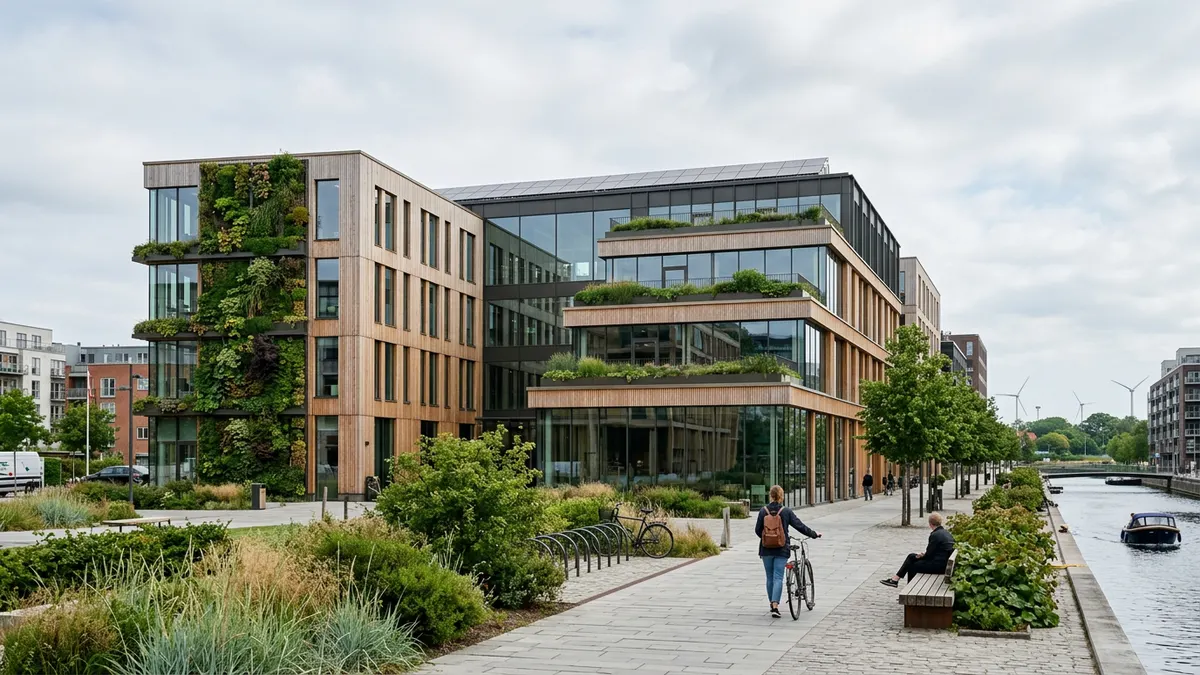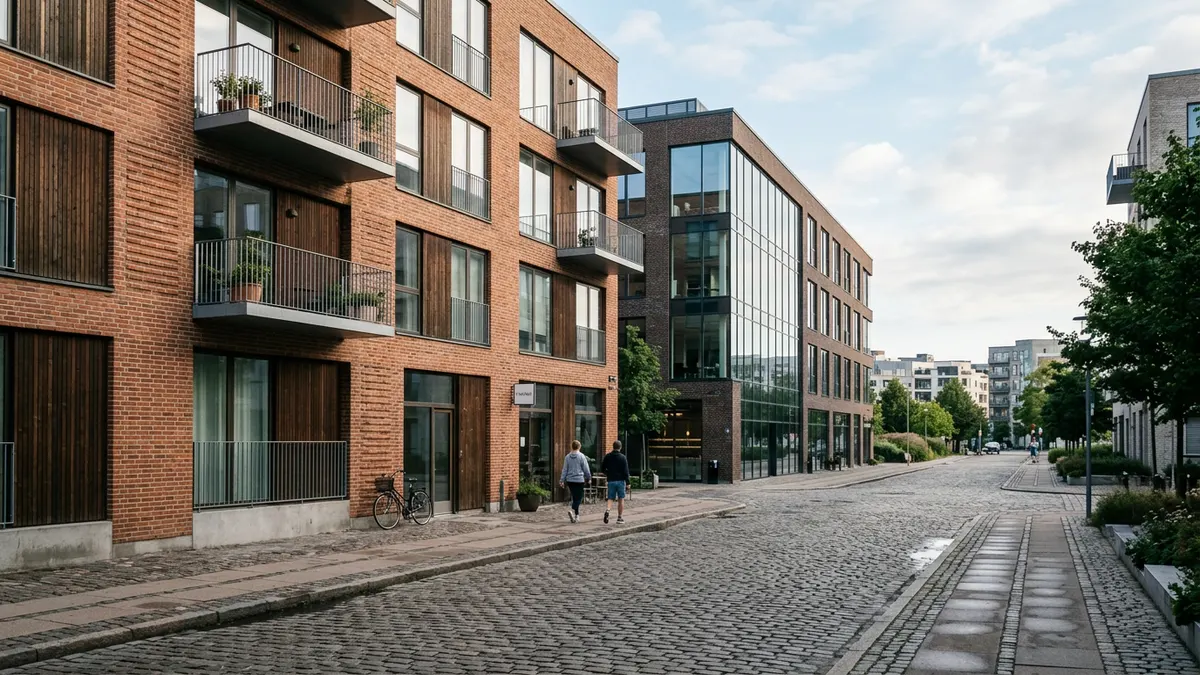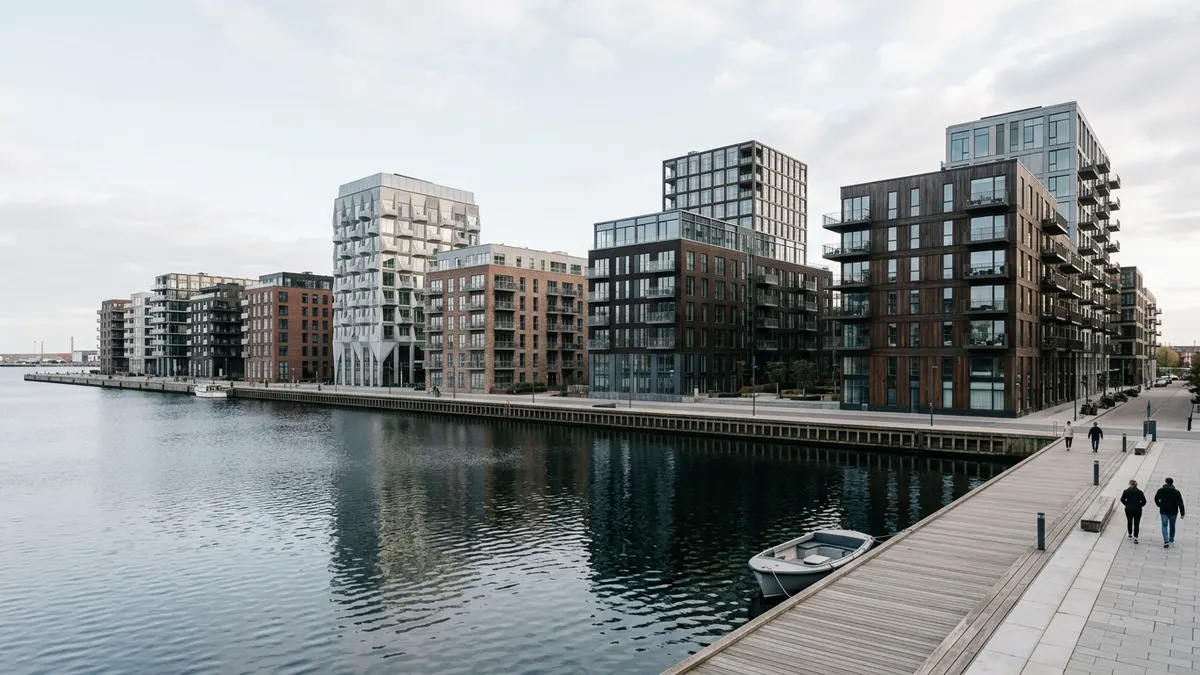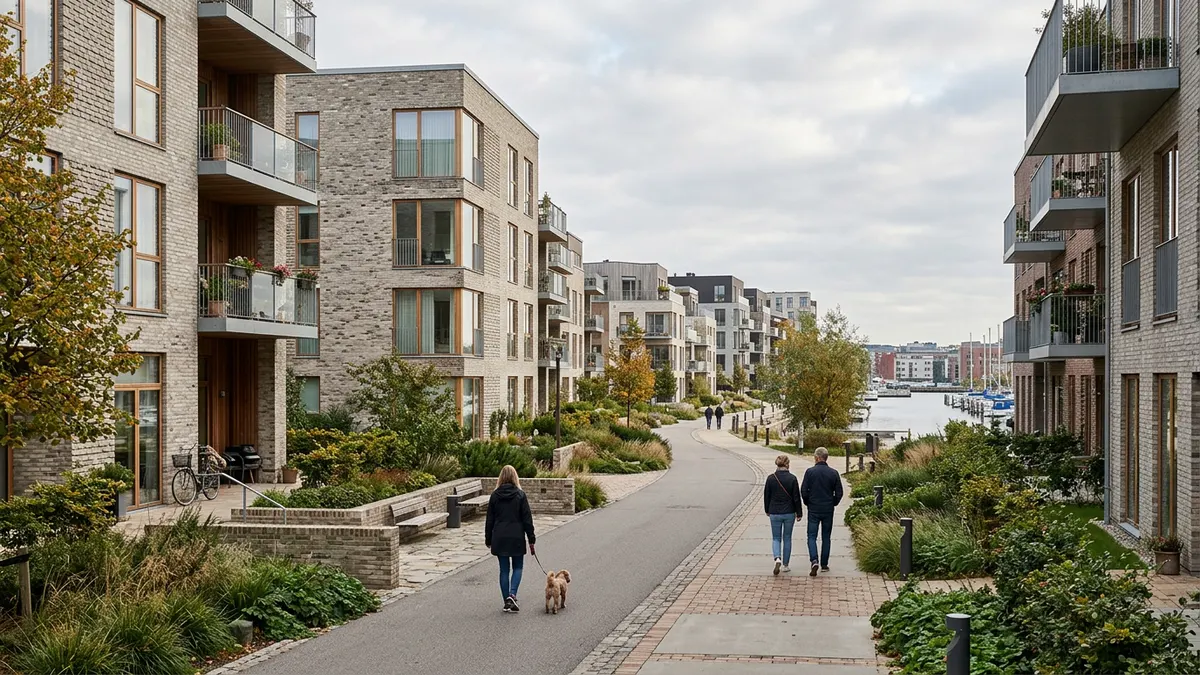
Urbanisation significantly impacts the Danish property market by concentrating demand in major cities like Copenhagen, Aarhus, Odense, and Aalborg, as well as their satellite towns. This demographic shift increases pressure on the housing stock, drives the need for modern rental properties, and creates specific investment opportunities in areas with strong infrastructure and educational institutions.
The fundamental influence of urbanisation on the Danish property market
Since the mid-20th century, Denmark has undergone a significant demographic transformation. Although we now discuss digitalisation and the possibility of working from home, trends in September 2026 show that urbanisation remains the primary driver behind pricing and demand in the Danish property market. Urbanisation is not just about people moving to the four largest cities, but about a centralisation of workplaces, education, and social facilities.
For a property investor, this trend means that the risk profile of an investment is closely linked to a city's ability to attract and retain citizens. When looking at urbanisation and the property market, we observe a gap between growth areas and peripheral areas. In growth areas, the demand for housing is often higher than the supply, creating a stable foundation for letting, while peripheral areas may experience greater volatility and longer liggetider (market time/days on market).
This development is supported by figures from Danmarks Statistik (Statistics Denmark), which for decades have shown a steady increase in the population of the large urban municipalities. However, it is important to note that urbanisation in 2026 also includes so-called "commuter towns" – cities like Roskilde, Køge, Skanderborg, and Silkeborg, which benefit from their proximity to major centres.
The demographic drivers behind the urban property market in 2026
To understand why urbanisation continues, one must look at the demographic segments driving the movement. It is no longer just young students moving to the cities; we are seeing a broader composition of the population seeking urban benefits.
The young and students
Denmark is a knowledge economy, and the country's largest educational institutions are located in the major cities. Aarhus and Copenhagen have been magnets for young people for decades. This creates a constant need for smaller flats and shared housing. Even though remote learning has become more widespread, students highly value the social study environment and access to student jobs, maintaining pressure on central districts.
The 'Grey Gold' seeking convenience
A significant trend in 2026 is the older generation choosing to sell their detached houses in the provinces to move into modern ejerboliger (owner-occupied dwellings) or lejeboliger (rental properties) in the city. This segment prioritises accessibility (lifts, level access) and proximity to culture and healthcare. This group often has strong finances, which affects the market for exclusive apartments in areas like Nordhavn in Copenhagen or Aarhus Ø.
Urbanisation from a commercial perspective
Companies locate where the talent is. This creates a self-reinforcing effect. When large companies establish headquarters in the major cities, employees follow. For the commercial property market, this means a concentration of office facilities in hubs with good infrastructure, such as proximity to metro stations or major railway stations.
Regional differences and growth centres in Denmark
When investing in Danish property, it is crucial to understand that urbanisation does not hit uniformly. Below is a review of the most central regions and their characteristics in 2026.
The Capital Region and Region Zealand
Copenhagen remains the country's absolute growth engine. However, due to high prices per square metre, we see a massive spread to the surrounding municipalities. Towns such as Høje-Taastrup, Hillerød, and Køge are undergoing a transformation from being commuter towns to independent growth centres with their own business districts and cultural offerings. Investments in infrastructure, such as the Ring 3 light rail and the expansion of the rail network, have made these areas attractive to both families and investors.
Aarhus and the East Jutland urban belt
In recent years, Aarhus has experienced a percentage population growth that often matches or exceeds Copenhagen's. The East Jutland urban belt, stretching from Randers in the north to Kolding in the south, functions almost as a single continuous metropolitan region. The Triangle Area (Trekantområdet – Vejle, Fredericia, Kolding) is particularly interesting due to its central location for logistics and industry, which also spills over into the housing market.
Odense and Funen
Odense has undergone extensive urban development, where the transformation of central harbour areas and the establishment of the light rail have changed the city's character. As a hub for robotics technology in Denmark, Odense attracts highly skilled labour, which has significantly increased the demand for modern rental properties.
Aalborg and North Jutland
Aalborg has successfully transformed itself from an industrial city to a city of knowledge. The university environment and new waterfront developments have made the city attractive to both investors and new residents. Although the North Jutland market is smaller than the Copenhagen market, it often offers a different yield requirement, which can be interesting in a diversified portfolio.
Table: Characteristics of different city types in Denmark (2026)
| City Category | Examples | Primary Driver | Investment Characteristics |
|---|---|---|---|
| A-Cities | Copenhagen, Aarhus | International workforce, education | Low risk, lower direct yield, high capital appreciation |
| B-Cities | Odense, Aalborg, Esbjerg | Regional centres, specialised industry | Medium risk, moderate yield, stable demand |
| Growth Satellites | Roskilde, Silkeborg, Vejle | Commuting, quality of life, nature | Rising demand, often attractive for families |
| Logistics Hubs | Fredericia, Taastrup | E-commerce, transport, infrastructure | Focus on commercial property and warehouse facilities |
Urbanisation and the property market: Significance for different property types
Urbanisation changes not only where we live, but also how we live and work. This has direct consequences for different asset classes within property investment.
Residential property and "Build-to-Rent"
The demand for rental housing has increased significantly as a result of urbanisation. Many prefer the flexibility of renting, especially in a time of fluctuating interest rates. Concepts like "Build-to-Rent," where entire property complexes are built for professional letting, have become a standard in urban development areas. The focus here is on optimised operations, communal areas, and sustainability.
Commercial property and office facilities
Although working from home is here to stay, urbanisation has created a need for "HQ buildings" – headquarters that function as cultural gathering points for companies. These are typically located close to central transport hubs. We are also seeing an increase in flexible co-working spaces in urban centres, where smaller companies can benefit from the city's pulse without committing to long leases.
Retail and urban services
Retail has been under pressure from e-commerce, but in densely populated urban areas, we see a resurgence of local service businesses. It is about the experience economy, cafés, specialty shops, and convenience stores close to citizens. Urbanisation creates a customer base large enough to maintain life on the ground floors of new developments.
Challenges and regulatory considerations
While urbanisation creates opportunities, the Danish property market is also subject to regulation that investors must be aware of. In September 2026, topics such as sustainability (ESG) and rental legislation are central.
Sustainability and ESG requirements
In the large cities, there is an increased political focus on green building. Certifications such as DGNB have gradually become a requirement rather than an option for professional investors. Buildings that do not meet modern energy requirements risk becoming less attractive to both tenants and financing institutions. This phenomenon is often called "brown discounting," where less energy-efficient buildings fall in value compared to green alternatives.
The Rent Act and political scrutiny
The Danish rental market is regulated, and in times of high urbanisation and rising rental costs, there is often political debate about tenant rights and rent levels. Investors should always seek professional advice from lawyers or specialised consultants to ensure they comply with the rules in Lejeloven (The Rent Act) and Lov om boligforhold (The Housing Conditions Act). Specifically, one must be aware of the rules regarding modernisation and subsequent rent setting.
Financing and interest rates
The financing environment in 2026 is shaped by general macroeconomic conditions. Although urbanisation ensures stable demand, interest rate levels affect the direct yield. Investors are increasingly looking towards diversification across cities to balance their portfolios.
Future trends: What lies beyond 2026?
Looking ahead, urbanisation will likely take new forms. We speak of the "15-minute city," where everything one needs – work, shopping, school, and leisure – must be within a 15-minute reach by foot or bicycle. This will shape urban planning in cities like Copenhagen and Aarhus, creating micro-locations that are extremely attractive.
Furthermore, technology will play a larger role in property management. "PropTech" (Property Technology) will make it possible to optimise energy consumption and improve the tenant experience through apps and smart-home solutions. This is particularly relevant in dense urban environments where resource optimisation is necessary.
Summary for investors
Urbanisation and the property market in Denmark are inextricably linked. For the investor, this means that location choice is more important than ever. While the large cities offer security and liquidity, secondary growth cities can offer exciting opportunities for higher yields, provided one understands the local demographics and infrastructure.
It is important to remember that property investment always involves risks. Market conditions, legislation, and economic cycles can change. Therefore, it is always recommended to consult legal, tax, and financial advisors before making investment decisions. General rules can be found via authorities such as SKAT (Danish Tax Agency), Justitsministeriet (Ministry of Justice), or Finanstilsynet (Financial Supervisory Authority).
Frequently asked questions
How does urbanisation affect the price of rental housing?
Urbanisation typically increases the demand for housing in cities faster than new stock can be built. This creates upward pressure on prices and rent levels as long as supply is limited by geography or planning legislation.
Is it best to invest in Copenhagen or the provinces?
It depends on the investor's risk profile. Copenhagen often offers lower risk and higher liquidity, but also a lower direct yield. Larger provincial cities can provide higher yields but may have greater sensitivity to local economic changes.
What significance does infrastructure have for the property market?
Infrastructure is crucial for urbanisation. New metro lines, light rails, or motorway exits can transform an area and make it attractive to commuters, often resulting in an increase in property values in the affected zones.
How do you find the next growth areas?
One should look for cities with positive population growth, educational institutions, a varied business sector, and planned investments in infrastructure or urban renewal from the municipality.
How PropertyInvestments can help
PropertyInvestments has been active in the Danish market since 1985 and has an in-depth knowledge of urbanisation trends across the country. We help Danish and international investors source, set up, and prepare investment properties for sale, as well as follow the process to completion. If you are looking for specific opportunities or wish to discuss the market, you are welcome to contact us at info@propertyinvestments.dk or phone +45 31 16 31 00 for a professional dialogue about your investment goals.